


Volume -
3 , - : 759-768 |
Back to browse issues page



Download citation:
BibTeX | RIS | EndNote | Medlars | ProCite | Reference Manager | RefWorks
Send citation to:


BibTeX | RIS | EndNote | Medlars | ProCite | Reference Manager | RefWorks
Send citation to:
Artificial Intelligence Application in Nursing to Accelerate the Treatment Process of Iranian Patients. 3 https://doi.org/10.58209/hehp.13.4.759
URL: http://daneshafarand.org/article-1-82927-en.html
URL: http://daneshafarand.org/article-1-82927-en.html
| Abstract (HTML) (576 Views)
Full-Text: (41 Views)
Introduction
The global healthcare landscape is undergoing a profound transformation driven by the rapid integration of artificial intelligence (AI). In the realm of nursing, a profession fundamentally rooted in human compassion and clinical judgment, AI is emerging not as a replacement but as a powerful augmentative tool. Its potential for patient care lies in its ability to analyze vast datasets, identify complex patterns, and support clinical decision-making, thereby enhancing efficiency, accuracy, and personalization of care. A primary and compelling application of this technology is the acceleration of the patient treatment process. In the specific context of Iran, with its unique healthcare challenges and opportunities, understanding AI’s role in accelerating patient treatment processes becomes particularly relevant. From predictive analytics that forecast patient deterioration hours before a critical event to AI-powered triage systems and intelligent scheduling that optimize workflow, AI is poised to streamline the entire patient journey from admission to discharge [1-4].
AI refers to the ability of computer systems to perform tasks that typically require human intelligence, such as learning, reasoning, problem-solving, and pattern recognition [5, 6]. In healthcare, AI is moving from a theoretical concept to a practical tool, with significant implications for nursing practice [7, 8]. These technologies have had a significant impact on nursing practices, workflows, and patient relationships [6, 9]. For instance, predictive analytics can be integrated into AI systems to predict changes in a patient’s health status, enabling nurses to intervene proactively rather than reactively. This capability is particularly valuable in accelerating treatment processes, as early intervention often leads to better outcomes and reduced recovery times [3, 4, 10]. In Iran, the convergence of a robust, tech-savvy young population, a high volume of patients within a universal healthcare system, and a significant strain on medical resources creates a unique and pressing context for the adoption of AI in nursing. The Iranian healthcare system faces challenges, including nurse-to-patient ratios that can impede timely interventions, long waiting times for diagnostic results, and an administrative burden that diverts nursing time from direct patient care. These bottlenecks in the treatment process not only affect patient outcomes but also contribute to workplace burnout among nursing professionals. Consequently, AI presents a strategic opportunity to address these systemic inefficiencies. Intelligent systems could, for example, automate routine documentation, analyze medical images for preliminary findings, or provide early warnings for at-risk patients, allowing nurses to focus their expertise on critical thinking and high-value care.
Research indicates that AI technologies are expected to enhance healthcare efficiency and significantly reduce costs, with potential healthcare savings reaching $150 billion by 2026. For a country like Iran, facing economic pressures and healthcare challenges, such efficiency gains could substantially improve accessibility and quality of patient care [2, 11-14]. However, the integration of AI into the Iranian nursing ecosystem is not without its challenges. Issues such as data privacy, the need for large, curated, and locally relevant datasets, the digital literacy and training requirements for the nursing workforce, and the crucial need for ethical and regulatory frameworks must be carefully navigated. While the global discourse on AI in nursing is rich, its specific application, feasibility, and impact within the socio-economic and technological context of Iran remain underexplored [1, 3, 15]. Therefore, this review article aimed to synthesize current knowledge and investigate the potential of AI to accelerate treatment for patients in Iran’s healthcare system. It explored global applications of AI relevant to nursing practice, critically assessed the existing initiatives and research in Iran, identified the key barriers to implementation, and proposed a forward-looking framework for the successful and ethical integration of AI into Iranian nursing. By doing so, this review sought to contribute to a more efficient, resilient, and patient-centered healthcare future for Iran.
Information and Methods
Study design
This systematic review was conducted from 2023 to 2025 to synthesize and evaluate the existing literature on the application of AI in nursing practice within Iran, with a specific focus on its role in accelerating patient treatment processes. The review protocol was designed in accordance with the Preferred Reporting Items for Systematic Reviews and Meta-Analyses (PRISMA) guidelines to ensure a rigorous and transparent process (Figure 1). This method was chosen for its ability to comprehensively identify, critically appraise, and synthesize all relevant studies on a specific research question, thereby minimizing bias and providing reliable conclusions. The design allows for mapping the current landscape of AI in Iranian nursing, identifying gaps in knowledge, and assessing the collective evidence regarding its efficacy in speeding up patient care.
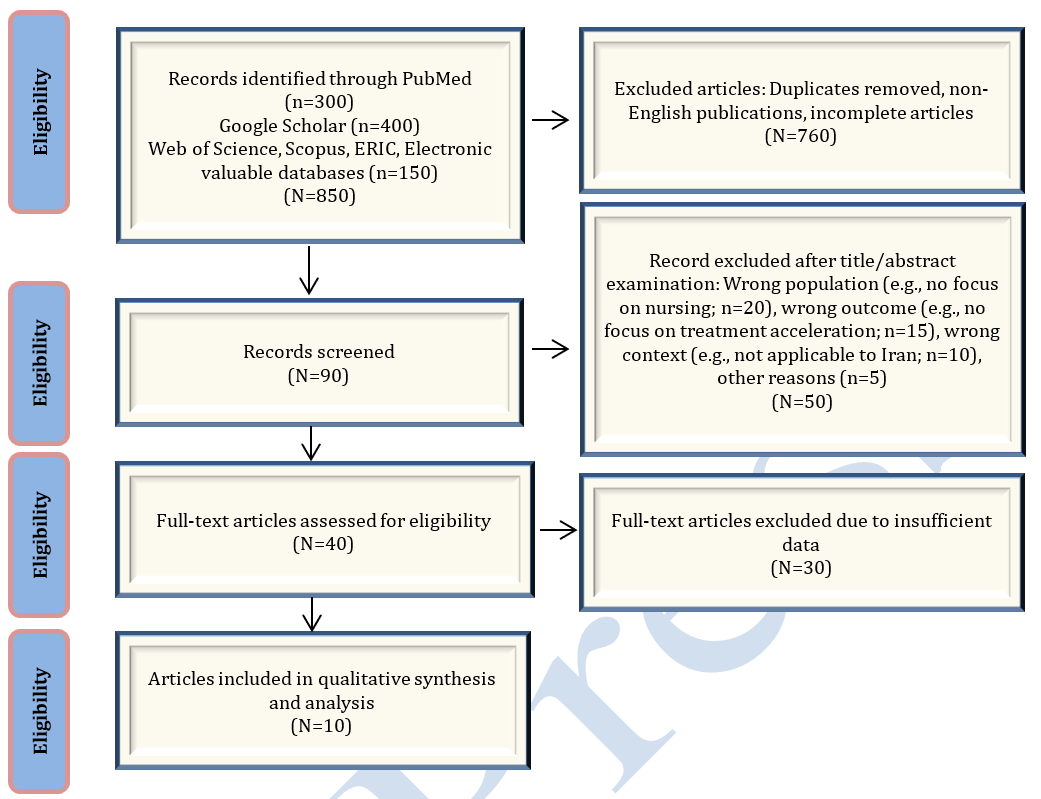
Figure 1. The PRISMA diagram of study selection process.
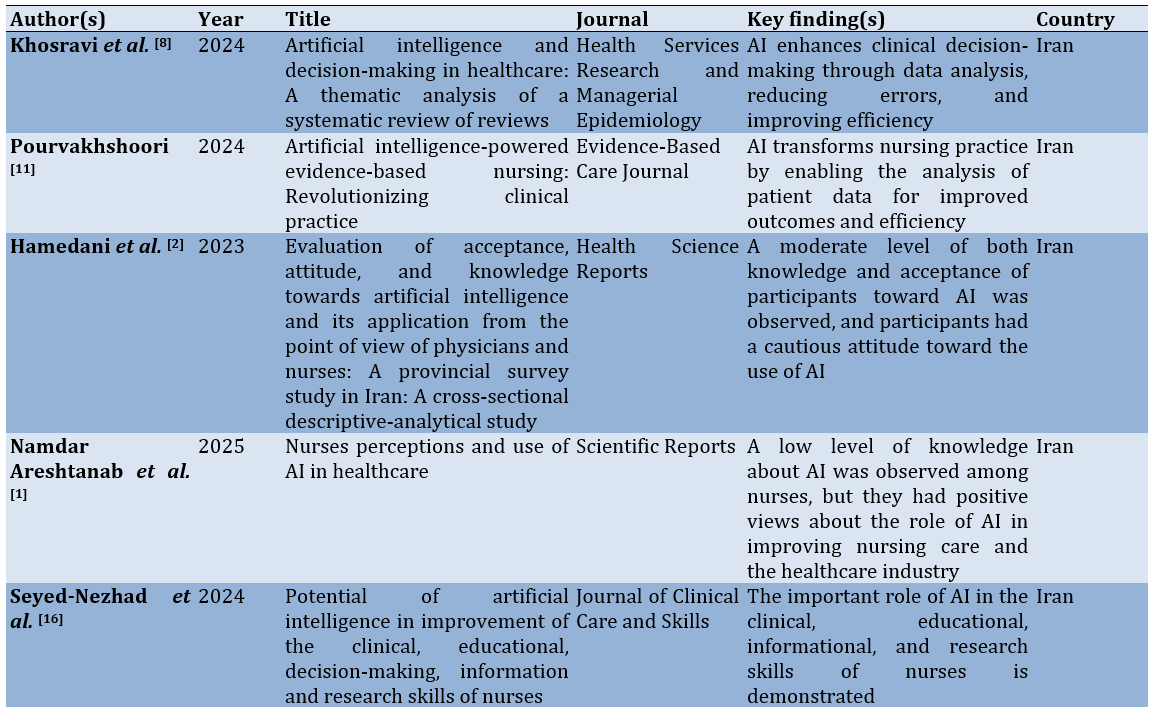
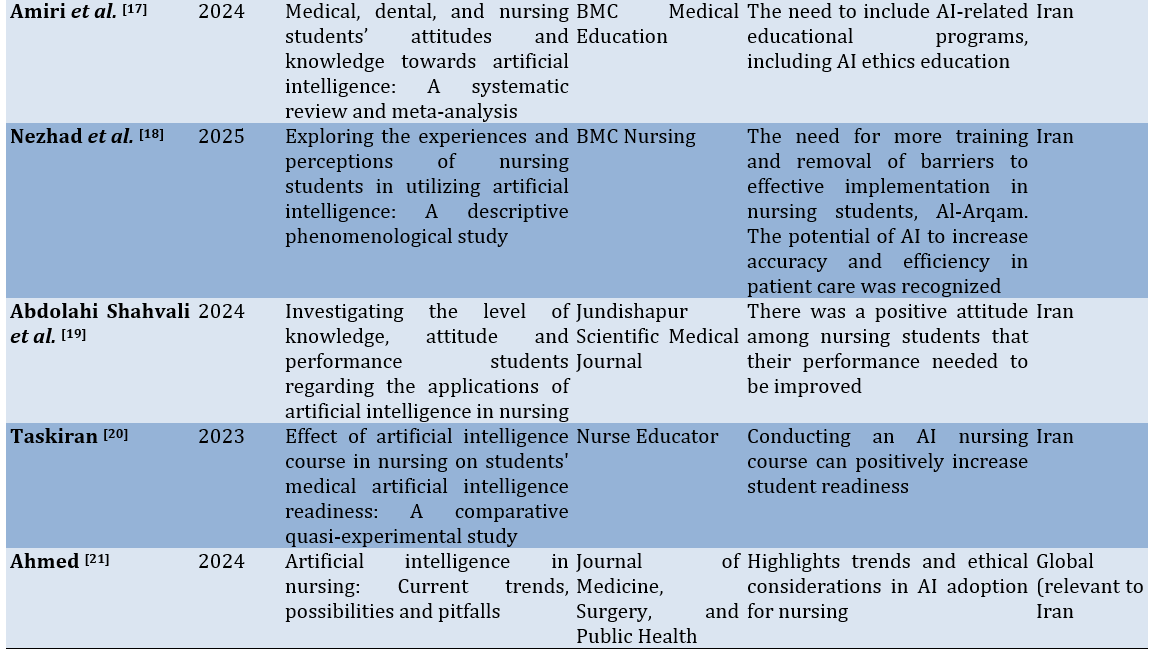
We summarized the basic characteristics of the studies—including the author, year, type of study, country, journal, and key findings related to AI in nursing (Table 1).
Table 1. The basic characteristics of the studies about Personalized Nursing and Precision Nursing
Literature search strategy
A systematic literature search was conducted across multiple electronic databases, including PubMed, CINAHL, Google Scholar, and Persian databases, such as the Scientific Information Database (SID) and Magiran. The search strategy incorporated a combination of keywords and Medical Subject Headings (MeSH) terms related to “artificial intelligence”, “machine learning”, “nursing”, “nurse”, “Iran”, “patient treatment”, “healthcare acceleration”, and “clinical decision support”. The search covered publications from January 2020 to September 2025 to capture the most recent developments in this rapidly evolving field.
Study selection
This comprehensive review employed a systematic approach to identify, evaluate, and synthesize existing literature on the use of AI in nursing to accelerate treatment processes in Iran. The methodology was designed to ensure comprehensive coverage of available evidence while maintaining methodological rigor and reproducibility. The initial search yielded over 850 articles. After removing duplicates and screening titles, non-English articles, incomplete articles, and abstracts for relevance, 760 articles remained. After removing additional entries, 90 studies remained at the pre-screening stage. Evaluation of titles and abstracts led to the exclusion of 40 studies. Ultimately, 10 studies were included in this synthesis.
Inclusion and exclusion criteria
The articles used keywords, such as “artificial intelligence”, “machine learning”, “nursing”, “nurse”, “Iran”, “patient treatment”, “healthcare acceleration”, and “clinical decision support”. Studies focused on the application of AI tools directly supporting nursing practice. Preference was given to the most recent articles, particularly those published within the last five years (2020-2025). Only articles published in English were considered, ensuring broader accessibility and comprehension within the scientific community. Included articles focused on AI applications directly impacting the role of registered nurses in clinical settings (e.g., hospitals, primary care). This included original research, review articles, case studies, and expert commentaries.
Articles focused solely on physician diagnosis or robotic surgery without nursing implications were excluded. Articles were excluded if they focused solely on physician diagnostics, drug discovery without nursing implications, or were purely technical specifications without a clinical context. Articles published in non-English or lacking complete data were excluded to ensure the integrity and reliability of the analysis.
Findings
Enhanced triage and early warning systems
AI-powered triage systems, often integrated into emergency department (ED) software, can analyze patient-reported symptoms, vital signs, and historical data to prioritize cases more accurately and rapidly than traditional methods. Furthermore, AI-driven early warning systems (e.g., the electronic cardiac arrest risk triage (eCART) score) continuously analyze real-time data from electronic health records (EHRs) to predict clinical deterioration, such as sepsis or respiratory failure, hours before it becomes clinically obvious. This allows nurses to initiate protocol-driven interventions proactively, preventing emergencies and accelerating life-saving treatment [22].
Automation of administrative and documentation tasks
A significant portion of a nurse’s shift is consumed by documentation, scheduling, and communication tasks. AI solutions alleviate this burden through voice-to-text and NLP. Smart documentation systems use NLP to listen to nurse–patient interactions and auto-generate structured notes in the EHR (Electronic Health Record), reducing charting time by up to 30% [23]. AI algorithms optimize staff scheduling based on patient acuity levels, predicting admission and discharge rates to ensure optimal staffing, which prevents delays in care. This automation directly accelerates the treatment process by freeing up nurses to spend more time on direct patient care activities, thereby reducing time-to-treatment for tasks like medication administration or wound care.
Clinical Decision Support (CDS) and Early Warning System
AI-powered CDS tools analyze vast amounts of patient data from electronic health records (EHRs), vital signs monitors, and lab results to identify patterns invisible to the human eye. Machine learning algorithms can predict clinical deterioration, such as sepsis or cardiac arrest, hours before traditional methods [24]. Early alerts allow for proactive interventions (e.g., administering antibiotics, calling a rapid response team) rather than reactive emergencies, drastically improving survival rates and reducing ICU transfers. AI can help prioritize patient assessments, directing nursing attention to the most critically ill patients first [25, 26].
Remote Patient Monitoring (RPM) and Virtual Nursing
AI is the engine behind modern RPM platforms. Wearable sensors and home devices collect continuous patient data (e.g., glucose levels, blood pressure, and oxygen saturation) post-discharge. ML algorithms analyze this data stream to flag anomalies. Virtual nursing assistants can then triage alerts, provide patient education, and prompt in-person follow-up only when necessary [27]. AI-powered RPM platforms use sensors and wearable devices to collect patient data at home. AI algorithms analyze trends in blood pressure, glucose levels, or oxygen saturation. Nurses are alerted only when parameters deviate from the norm, allowing them to manage a larger cohort of patients efficiently and intervene early before a condition worsens, preventing unnecessary ED visits and hospitalizations [28].
Predictive Analytics and Early Warning Systems
AI-powered predictive analytics is among the most significant applications. By analyzing vast amounts of EHR data in real time, ML algorithms can identify patients at high risk for adverse events and predict deterioration (e.g., sepsis, cardiac arrest), falls, pressure injuries, and readmission risk. Systems like the Epic Deterioration Index (EDI) or custom-built models alert nurses to subtle changes in vital signs and lab results long before they become clinically obvious. These systems can lead to earlier interventions, reduced code blue events, lower mortality rates, and improved resource allocation by helping nurses prioritize care for the most vulnerable patients [29].
Clinical decision support and diagnostics
AI serves as a powerful adjunct to nursing judgment, providing data-driven insights at the point of care. AI tools integrated into EHRs suggest evidence-based nursing interventions, warn of potential medication errors, or flag mismatches between diagnoses and planned care. NLP is used to extract valuable information from unstructured clinical notes. In wound care, AI-powered image analysis apps can help nurses assess and classify wounds with high accuracy. This supports more accurate and timely clinical decisions, reduces cognitive load, and enhances adherence to best-practice guidelines, ultimately improving patient safety and care quality [30-32].
Automation of administrative tasks
A substantial portion of a nurse’s shift is consumed by documentation and administrative duties. AI is poised to alleviate this burden. NLP-driven voice-to-text documentation allows nurses to record patient encounters hands-free. AI can handle routine patient queries about medications or appointment scheduling. Robotic process automation (RPA) can automate data entry and scheduling tasks. The primary impact is a potential reduction in administrative burnout, allowing nurses to reclaim time for direct patient care and to practice at the top of their license. This addresses a key factor in nursing job satisfaction and retention [33, 34].
Robotics and intelligent patient support
Robotics, guided by AI, are moving into direct patient care support. Robotic assistants can perform tasks like delivering supplies, disinfecting rooms, or even assisting with patient lifting and mobilization, reducing physical strain on nurses. Socially assistive robots can provide companionship and cognitive stimulation for elderly patients or those with dementia. This enhances operational efficiency and workplace safety for nurses. For patients, it can improve mobility and provide social interaction, though the human touch remains irreplaceable for emotional support [35, 36].
AI for Clinical Decision Support
AI-powered CDS systems are moving beyond static rules to dynamic, learning tools. These systems analyze vast amounts of patient data from EHRs in real time to provide nurses with evidence-based recommendations. AI algorithms can assist nurses in performing more accurate wound assessments by analyzing images and classifying pressure injuries or diabetic ulcers with high precision, often surpassing human visual inspection alone. CDS tools can suggest individualized nursing care plans by analyzing a patient’s data against vast databases of clinical guidelines and successful outcomes. For example, systems can recommend tailored fall prevention strategies or pain management protocols based on a patient’s specific risk profile [37, 38].
Predictive analytics in nursing
Predictive analytics leverage machine learning to identify patterns and predict future outcomes, enabling a shift from reactive to proactive nursing care. Deterioration prediction is a well-established application that uses early warning systems to analyze vital signs, lab results, and nursing notes to predict clinical deterioration (e.g., sepsis, cardiac arrest) hours before it becomes clinically obvious, allowing for earlier intervention. Readmission risk models can identify patients at high risk for hospital readmission based on socio-clinical factors, enabling nurses to prioritize discharge planning and arrange for targeted transitional care. Workload and acuity forecasting: predictive models are used to forecast unit acuity and predict nurse-to-patient ratios needed for subsequent shifts, supporting more efficient and safer staffing decisions [39, 40].
Robotics in nursing
Robotics in nursing encompasses a range of devices from automated helpers to socially assistive robots. Robots are increasingly used to automate logistical and physically demanding tasks, such as delivering supplies, sanitizing rooms, and transporting equipment. This reduces the physical burden on nurses, freeing up time for direct patient care. Robots, like PARO (a therapeutic robotic seal) are used in geriatric and pediatric settings to provide comfort, reduce anxiety, and stimulate social interaction. Other assistive robots can help rehabilitate patients or support them with activities of daily living [41, 42].
Attitudes toward AI in nursing
Despite knowledge limitations, Iranian nurses demonstrate overwhelmingly positive attitudes toward AI integration in healthcare. The Tabriz study found that 65.8% of nurses had a good attitude toward AI, while only a small percentage held unfavorable views. This positive disposition suggests that Iranian nurses perceive AI as a valuable tool that can enhance rather than replace their professional expertise [1]. A separate study conducted in Tehran with 400 physicians and nurses found similarly positive attitudes, with a mean attitude score of 47.81±6.74 (on a scale where higher scores indicate more favorable attitudes) [2]. The relatively favorable attitude among Iranian healthcare workers indicates recognition of AI’s potential to reduce errors, save costs, and accelerate care work. Nurses particularly appreciated AI’s potential to automate administrative tasks, allowing more time for direct patient care, a crucial factor in accelerating treatment processes.
Acceptance levels of AI technologies
Acceptance of AI technologies among Iranian nurses appears moderate but promising. Research indicates that 74.6% of nurses show a moderate level of acceptance toward AI in healthcare settings. This moderate acceptance likely reflects both enthusiasm about AI’s potential benefits and caution due to limited understanding of the technologies. Several factors influence acceptance levels, including education level, prior experience with AI technologies, and participation in AI training courses. Nurses with higher education levels and those who had participated in AI training programs demonstrated significantly higher acceptance levels (p=0.028 and p=0.022, respectively). This finding underscores the importance of education and training in fostering AI acceptance among Iranian nurses [2, 43].
Current applications of AI in Iranian nursing practice
AI applications in Iranian nursing practice encompass several key areas that contribute to accelerated treatment processes, including predictive analytics. AI systems are used to predict changes in patients’ health status, enabling nurses to intervene proactively rather than reactively. These predictive capabilities allow for early identification of complications, potentially reducing hospital stays and improving treatment outcomes. Clinical decision support (CDS)—AI-powered CDS systems provide nurses with evidence-based recommendations, helping them make informed decisions about patient care by analyzing extensive patient data, research findings, and medical literature. These systems enhance the quality and accuracy of nursing diagnoses and intervention plans. Virtual health assistants—AI-driven virtual assistants—provide information, ask questions, interpret clinical values, and report aberrant responses to physicians. These assistants can also support patient education by delivering information on medications and self-care practices. Administrative automation: AI technologies streamline documentation processes by automatically populating patient records with relevant information, reducing time spent on paperwork. This automation allows nurses to dedicate more time to direct patient care activities.
Correlations between knowledge, attitude, and acceptance
Research reveals significant positive correlations between nurses’ knowledge of AI and their attitude (R=0.311, p<0.001), application (R=0.514, p<0.001), and acceptance (R=0.381, p<0.001) regarding AI technologies. These correlations suggest that as nurses’ understanding of AI improves, their willingness to accept and apply these technologies in clinical practice increases substantially. The strong correlation between knowledge and application (R=0.514) is particularly noteworthy, indicating that knowledge enhancement may be the most effective strategy for promoting AI integration in Iranian nursing practice. This relationship underscores the importance of educational initiatives targeting AI literacy among nurses as a foundational step toward accelerating treatment processes through AI technologies.
Current state of AI knowledge among Iranian nurses
The assessment of AI knowledge among Iranian nurses reveals significant gaps despite growing interest in AI technologies. A comprehensive study conducted in 2024 with 400 nurses working in university hospitals in Tabriz found that most nurses (41.1%) had low knowledge about AI concepts and applications [1]. Only a minority demonstrated high levels of knowledge, indicating an urgent need for educational interventions. This knowledge assessment covered understanding of AI definitions, subsets, equivalent words, and the hardware and software components used. The knowledge gaps were particularly pronounced in areas requiring technical understanding, such as machine learning algorithms, natural language processing (NLP), and predictive analytics. However, nurses showed better understanding of practical AI applications that directly impact patient care, such as automated monitoring systems and clinical decision support tools. This pattern suggests that orientation toward practical, care-focused applications might be more effective than technical training when designing AI education programs for Iranian nurses.
Implementation challenges and barriers
Despite the promising potential of AI in accelerating treatment processes, several implementation challenges exist within the Iranian context. Constraints in technical infrastructure and resources pose significant challenges to AI implementation in Iranian healthcare settings. These limitations include issues with internet connectivity, hardware availability, and technical support systems. Educational gaps: The lack of comprehensive AI education in nursing curricula has resulted in knowledge deficiencies that hinder effective AI implementation. Most Iranian nurses have not received formal training in AI concepts or applications. Resource constraints: Economic factors, including sanctions affecting technology acquisition, have impacted Iran’s ability to invest in advanced AI technologies for healthcare. These constraints have created disparities in AI capabilities between Iran and more technologically advanced countries. Cultural and behavioral factors: Resistance to change and technological skepticism among some healthcare professionals present additional barriers to AI integration. Addressing these concerns requires careful change management and demonstrated evidence of AI’s benefits.
Discussion
This review synthesized the current literature on the application of AI in nursing, with a specific focus on its potential to accelerate the treatment process for patients in Iran. AI is not a distant future but an emergent paradigm with tangible applications that can significantly compress the timeline from patient admission to effective intervention [44]. However, the integration of this technology into the complex and human-centric field of nursing, particularly within the unique socio-economic and healthcare landscape of Iran, presents a series of profound opportunities and formidable challenges [45]. While the potential is immense, the successful implementation of AI in Iranian nursing is inextricably linked to the country’s specific context. Iran possesses a strong foundation in medical sciences and a growing tech-savvy youth population. There is a demonstrated interest in e-health and telemedicine, which could serve as a platform for AI integration. Government and private sector initiatives aimed at technological self-sufficiency could be channeled towards developing localized AI solutions that address Iran’s specific disease profiles and healthcare needs, such as a high focus on non-communicable diseases and traffic accident injuries, but this path is fraught with obstacles [46]. The primary barrier is infrastructural, including limited access to high-speed internet in rural areas, outdated hospital information systems that are not interoperable, and a scarcity of high-performance computing resources needed for complex AI models. Financial constraints, exacerbated by economic sanctions, severely limit investments in expensive AI technologies and the necessary digital transformation of healthcare facilities. Furthermore, there is a significant workforce readiness gap. Many current nursing professionals have not received formal training in digital health or data literacy. A robust plan for continuous education and upskilling is essential to prevent alienation and ensure nurses can collaborate effectively with AI tools, rather than perceiving them as a threat.
Limited studies have been conducted on the use of AI in nursing to accelerate the treatment process for patients, with Iran receiving far less attention than other European countries, the United States, and China—this may reflect the relatively recent emergence of AI in Iran’s medical sciences. We examined the use of AI in nursing to accelerate the treatment process for patients, with a focus on Iran. We reviewed studies published between 2020 and 2025. The integration of AI in Iranian nursing practice represents a promising approach to accelerating treatment processes and improving patient outcomes. We revealed a complex landscape characterized by significant potential alongside substantial implementation challenges. We discussed these findings in relation to broader global trends and contextual factors influencing AI adoption in Iran’s healthcare system. The discrepancy between Iranian nurses’ limited knowledge and generally positive attitudes toward AI deserves careful consideration. This pattern suggests that while Iranian nurses may lack technical understanding of AI systems, they recognize the potential benefits of these technologies for enhancing patient care and reducing workload burdens. The positive correlation between knowledge and attitude indicates that as nurses become more familiar with AI concepts, their attitudes become even more favorable. This relationship has important implications for AI integration strategies. Rather than focusing solely on technical aspects, educational initiatives should emphasize how AI technologies can enhance rather than replace nursing expertise. By framing AI as a tool that augments clinical judgment rather than supplants it, training programs may more effectively engage nurses and promote adoption. The strong correlation between knowledge and application further supports investing in education as a primary strategy for accelerating AI integration in Iranian nursing practice [47]. The findings from Iranian studies align with global research on AI in nursing while revealing context-specific variations. Similar to international reports, Iranian nurses express concerns about potential job displacement and dehumanization of care due to excessive automation. However, Iranian nurses appear more optimistic about AI’s potential to address healthcare challenges than some Western counterparts, possibly due to greater familiarity with resource constraints and a corresponding appreciation for efficiency-enhancing technologies. The moderate acceptance level among Iranian nurses (74.6% at a moderate level) is comparable to patterns observed in other developing healthcare systems [1, 48, 49]. This moderate acceptance likely represents a pragmatic approach that acknowledges both AI’s potential benefits and the implementation challenges within resource-constrained environments. Interestingly, Iranian nurses’ acceptance levels appear higher than those reported in some American studies, where only 30% of nurses reported knowing how to use AI in the care system [50, 51]. Clinical decision support systems (CDSS) contribute to treatment acceleration by providing evidence-based recommendations that enhance diagnostic accuracy and intervention appropriateness. By reducing diagnostic errors and supporting treatment planning, these systems help avoid delays caused by ineffective or inappropriate interventions. The automation of administrative tasks further accelerates treatment processes by freeing nurses from time-consuming documentation activities, allowing more time for direct patient care. The applications of AI in Iranian nursing practice show significant promise for accelerating treatment processes through multiple mechanisms. Predictive analytics enable early identification of patient deterioration, allowing interventions before conditions become critical. This proactive approach potentially reduces complication rates and shortens hospital stays, a crucial advantage in Iran’s resource-constrained healthcare system. The integration of AI into nursing practice is not a futuristic concept but a present-day reality with profound implications.
Globally, AI-powered CDSSs are transitioning from research prototypes to validated tools in clinical settings. Studies from the United States, Europe, and East Asia demonstrate AI’s efficacy in early warning systems for sepsis, in predicting patient deterioration, and in assisting in diagnosing conditions such as diabetic retinopathy and certain cancers. These systems analyze vast datasets from EHRs and real-time monitoring to provide nurses with predictive alerts, effectively accelerating the “recognition” and “diagnosis” phases of treatment [52, 53]. In Iran, our review identified a growing body of research that mirrors these global trends. Several studies have developed and validated AI models for predicting diseases, such as cardiovascular events, diabetes complications, and COVID-19 outcomes [54, 55]. The technical competence demonstrated in these studies is commendable. However, a critical gap persists; the translation of these models from academic journals into bedside tools for nurses. While a study in the US might report on the reduction in Code Blue events after implementing an AI-driven early warning system, Iranian studies largely report on model accuracy (e.g., sensitivity, specificity) within a research dataset. This highlights a “proof-of-concept” stage, where the focus is on algorithmic development rather than clinical integration and impact on nursing workflows and patient outcomes [56]. The automation of administrative duties is perhaps the most universally acknowledged benefit of AI in nursing. Internationally, technologies, like NLP for clinical documentation, AI-driven scheduling systems, and inventory management bots are freeing up nurses’ time, allowing them to reallocate hours from clerical tasks to direct patient care. This directly accelerates the treatment process by reducing cognitive load and administrative delays [57].
Iranian literature and policy documents recognize this potential, particularly as a solution to alleviate the burden on a nursing workforce that is often stretched thin due to high patient-to-nurse ratios [58, 59]. Conceptual readiness is present. However, the foundational infrastructure for widespread automation—specifically, comprehensive, interoperable EHR systems—is not yet uniformly established across the Iranian healthcare system. Therefore, while a hospital in South Korea might use AI to transcribe nurse–patient interactions directly into the EHR, comparable implementation in Iran is often hampered by legacy paper-based systems or fragmented digital records. Globally, the fusion of the Internet of Things (IoT) with AI has revolutionized patient monitoring [54]. Wearable sensors and smart devices enable continuous, remote monitoring, allowing for proactive interventions before a condition escalates, thus preventing hospital readmissions and accelerating management in home settings. In Iran, this domain shows considerable promise, particularly in the context of vast geography and disparities in healthcare access between urban and rural areas. Studies exploring tele-nursing and remote monitoring for chronic disease management (e.g., hypertension, diabetes) have shown positive results in improving patient adherence and outcomes. The use of AI in these studies is often in its infancy, typically focusing on basic data transmission and simple alert systems rather than sophisticated predictive analytics [60, 61]. Compared to Western systems that integrate AI-driven risk stratification into their telehealth platforms, the Iranian approach is more foundational. Nevertheless, the alignment of tele-nursing with national health goals and its proven acceptability in the Iranian context make it a prime candidate for future AI enhancement to truly accelerate preventive and ongoing treatment. The comparison with global studies reveals that Iran is not lacking in ideas but in the ecosystem for implementation [62, 63]. To bridge this gap, strategic focus is needed on: strengthening digital health infrastructure, building human capital, establishing a supportive policy environment, and fostering localized innovation. By learning from the implementation pathways and pitfalls of global pioneers while tailoring solutions to its unique socio-economic and healthcare context, Iran can harness the power of AI to not only accelerate the treatment process for its patients but also to empower its nursing workforce and build a more resilient, efficient, and equitable healthcare system for the future. The results of this review demonstrate that AI holds immense promise for augmenting the nursing profession, primarily by enhancing patient safety through predictive insights and freeing nurses from repetitive tasks to focus on complex, humanistic care. This comprehensive review identified both the current state of AI integration and pathways for future development within Iran’s unique healthcare context. The generally positive attitudes among Iranian nurses toward AI, coupled with moderate acceptance levels, suggest a receptive environment for further integration efforts. However, significant knowledge gaps and implementation challenges must be addressed to fully realize AI’s potential to accelerate treatment processes.
Conclusion
The integration of AI in Iranian nursing practice holds significant promise for accelerating treatment processes and improving patient outcomes.
Acknowledgments: We are especially thankful to the nurses and advisors of the Nursing Research Center of Respiratory Diseases at Masih Daneshvari Hospital, who collaborated on this research.
Ethical Permissions: All ethical considerations have been observed in this study. The research adheres to the guidelines outlined by the PRISMA statement on systematic reviews and meta-analyses.
Conflicts of Interests: There are no conflicts of interests.
Authors' Contribution: Esmaili Dolabenezhad Sh (First Author), Introduction Writer/Methodologist/Main Researcher/Statistical Analyst (40%); Bahrambeygi F (Second Author), Introduction Writer/Methodologist/Assistant Researcher (20%); Besharati S (Third Author), Introduction Writer/Assistant Researcher/Discussion Writer/Statistical Analyst (40%)
Funding/Support: This research received no funding.
The global healthcare landscape is undergoing a profound transformation driven by the rapid integration of artificial intelligence (AI). In the realm of nursing, a profession fundamentally rooted in human compassion and clinical judgment, AI is emerging not as a replacement but as a powerful augmentative tool. Its potential for patient care lies in its ability to analyze vast datasets, identify complex patterns, and support clinical decision-making, thereby enhancing efficiency, accuracy, and personalization of care. A primary and compelling application of this technology is the acceleration of the patient treatment process. In the specific context of Iran, with its unique healthcare challenges and opportunities, understanding AI’s role in accelerating patient treatment processes becomes particularly relevant. From predictive analytics that forecast patient deterioration hours before a critical event to AI-powered triage systems and intelligent scheduling that optimize workflow, AI is poised to streamline the entire patient journey from admission to discharge [1-4].
AI refers to the ability of computer systems to perform tasks that typically require human intelligence, such as learning, reasoning, problem-solving, and pattern recognition [5, 6]. In healthcare, AI is moving from a theoretical concept to a practical tool, with significant implications for nursing practice [7, 8]. These technologies have had a significant impact on nursing practices, workflows, and patient relationships [6, 9]. For instance, predictive analytics can be integrated into AI systems to predict changes in a patient’s health status, enabling nurses to intervene proactively rather than reactively. This capability is particularly valuable in accelerating treatment processes, as early intervention often leads to better outcomes and reduced recovery times [3, 4, 10]. In Iran, the convergence of a robust, tech-savvy young population, a high volume of patients within a universal healthcare system, and a significant strain on medical resources creates a unique and pressing context for the adoption of AI in nursing. The Iranian healthcare system faces challenges, including nurse-to-patient ratios that can impede timely interventions, long waiting times for diagnostic results, and an administrative burden that diverts nursing time from direct patient care. These bottlenecks in the treatment process not only affect patient outcomes but also contribute to workplace burnout among nursing professionals. Consequently, AI presents a strategic opportunity to address these systemic inefficiencies. Intelligent systems could, for example, automate routine documentation, analyze medical images for preliminary findings, or provide early warnings for at-risk patients, allowing nurses to focus their expertise on critical thinking and high-value care.
Research indicates that AI technologies are expected to enhance healthcare efficiency and significantly reduce costs, with potential healthcare savings reaching $150 billion by 2026. For a country like Iran, facing economic pressures and healthcare challenges, such efficiency gains could substantially improve accessibility and quality of patient care [2, 11-14]. However, the integration of AI into the Iranian nursing ecosystem is not without its challenges. Issues such as data privacy, the need for large, curated, and locally relevant datasets, the digital literacy and training requirements for the nursing workforce, and the crucial need for ethical and regulatory frameworks must be carefully navigated. While the global discourse on AI in nursing is rich, its specific application, feasibility, and impact within the socio-economic and technological context of Iran remain underexplored [1, 3, 15]. Therefore, this review article aimed to synthesize current knowledge and investigate the potential of AI to accelerate treatment for patients in Iran’s healthcare system. It explored global applications of AI relevant to nursing practice, critically assessed the existing initiatives and research in Iran, identified the key barriers to implementation, and proposed a forward-looking framework for the successful and ethical integration of AI into Iranian nursing. By doing so, this review sought to contribute to a more efficient, resilient, and patient-centered healthcare future for Iran.
Information and Methods
Study design
This systematic review was conducted from 2023 to 2025 to synthesize and evaluate the existing literature on the application of AI in nursing practice within Iran, with a specific focus on its role in accelerating patient treatment processes. The review protocol was designed in accordance with the Preferred Reporting Items for Systematic Reviews and Meta-Analyses (PRISMA) guidelines to ensure a rigorous and transparent process (Figure 1). This method was chosen for its ability to comprehensively identify, critically appraise, and synthesize all relevant studies on a specific research question, thereby minimizing bias and providing reliable conclusions. The design allows for mapping the current landscape of AI in Iranian nursing, identifying gaps in knowledge, and assessing the collective evidence regarding its efficacy in speeding up patient care.
Figure 1. The PRISMA diagram of study selection process.
We summarized the basic characteristics of the studies—including the author, year, type of study, country, journal, and key findings related to AI in nursing (Table 1).
Table 1. The basic characteristics of the studies about Personalized Nursing and Precision Nursing
Literature search strategy
A systematic literature search was conducted across multiple electronic databases, including PubMed, CINAHL, Google Scholar, and Persian databases, such as the Scientific Information Database (SID) and Magiran. The search strategy incorporated a combination of keywords and Medical Subject Headings (MeSH) terms related to “artificial intelligence”, “machine learning”, “nursing”, “nurse”, “Iran”, “patient treatment”, “healthcare acceleration”, and “clinical decision support”. The search covered publications from January 2020 to September 2025 to capture the most recent developments in this rapidly evolving field.
Study selection
This comprehensive review employed a systematic approach to identify, evaluate, and synthesize existing literature on the use of AI in nursing to accelerate treatment processes in Iran. The methodology was designed to ensure comprehensive coverage of available evidence while maintaining methodological rigor and reproducibility. The initial search yielded over 850 articles. After removing duplicates and screening titles, non-English articles, incomplete articles, and abstracts for relevance, 760 articles remained. After removing additional entries, 90 studies remained at the pre-screening stage. Evaluation of titles and abstracts led to the exclusion of 40 studies. Ultimately, 10 studies were included in this synthesis.
Inclusion and exclusion criteria
The articles used keywords, such as “artificial intelligence”, “machine learning”, “nursing”, “nurse”, “Iran”, “patient treatment”, “healthcare acceleration”, and “clinical decision support”. Studies focused on the application of AI tools directly supporting nursing practice. Preference was given to the most recent articles, particularly those published within the last five years (2020-2025). Only articles published in English were considered, ensuring broader accessibility and comprehension within the scientific community. Included articles focused on AI applications directly impacting the role of registered nurses in clinical settings (e.g., hospitals, primary care). This included original research, review articles, case studies, and expert commentaries.
Articles focused solely on physician diagnosis or robotic surgery without nursing implications were excluded. Articles were excluded if they focused solely on physician diagnostics, drug discovery without nursing implications, or were purely technical specifications without a clinical context. Articles published in non-English or lacking complete data were excluded to ensure the integrity and reliability of the analysis.
Findings
Enhanced triage and early warning systems
AI-powered triage systems, often integrated into emergency department (ED) software, can analyze patient-reported symptoms, vital signs, and historical data to prioritize cases more accurately and rapidly than traditional methods. Furthermore, AI-driven early warning systems (e.g., the electronic cardiac arrest risk triage (eCART) score) continuously analyze real-time data from electronic health records (EHRs) to predict clinical deterioration, such as sepsis or respiratory failure, hours before it becomes clinically obvious. This allows nurses to initiate protocol-driven interventions proactively, preventing emergencies and accelerating life-saving treatment [22].
Automation of administrative and documentation tasks
A significant portion of a nurse’s shift is consumed by documentation, scheduling, and communication tasks. AI solutions alleviate this burden through voice-to-text and NLP. Smart documentation systems use NLP to listen to nurse–patient interactions and auto-generate structured notes in the EHR (Electronic Health Record), reducing charting time by up to 30% [23]. AI algorithms optimize staff scheduling based on patient acuity levels, predicting admission and discharge rates to ensure optimal staffing, which prevents delays in care. This automation directly accelerates the treatment process by freeing up nurses to spend more time on direct patient care activities, thereby reducing time-to-treatment for tasks like medication administration or wound care.
Clinical Decision Support (CDS) and Early Warning System
AI-powered CDS tools analyze vast amounts of patient data from electronic health records (EHRs), vital signs monitors, and lab results to identify patterns invisible to the human eye. Machine learning algorithms can predict clinical deterioration, such as sepsis or cardiac arrest, hours before traditional methods [24]. Early alerts allow for proactive interventions (e.g., administering antibiotics, calling a rapid response team) rather than reactive emergencies, drastically improving survival rates and reducing ICU transfers. AI can help prioritize patient assessments, directing nursing attention to the most critically ill patients first [25, 26].
Remote Patient Monitoring (RPM) and Virtual Nursing
AI is the engine behind modern RPM platforms. Wearable sensors and home devices collect continuous patient data (e.g., glucose levels, blood pressure, and oxygen saturation) post-discharge. ML algorithms analyze this data stream to flag anomalies. Virtual nursing assistants can then triage alerts, provide patient education, and prompt in-person follow-up only when necessary [27]. AI-powered RPM platforms use sensors and wearable devices to collect patient data at home. AI algorithms analyze trends in blood pressure, glucose levels, or oxygen saturation. Nurses are alerted only when parameters deviate from the norm, allowing them to manage a larger cohort of patients efficiently and intervene early before a condition worsens, preventing unnecessary ED visits and hospitalizations [28].
Predictive Analytics and Early Warning Systems
AI-powered predictive analytics is among the most significant applications. By analyzing vast amounts of EHR data in real time, ML algorithms can identify patients at high risk for adverse events and predict deterioration (e.g., sepsis, cardiac arrest), falls, pressure injuries, and readmission risk. Systems like the Epic Deterioration Index (EDI) or custom-built models alert nurses to subtle changes in vital signs and lab results long before they become clinically obvious. These systems can lead to earlier interventions, reduced code blue events, lower mortality rates, and improved resource allocation by helping nurses prioritize care for the most vulnerable patients [29].
Clinical decision support and diagnostics
AI serves as a powerful adjunct to nursing judgment, providing data-driven insights at the point of care. AI tools integrated into EHRs suggest evidence-based nursing interventions, warn of potential medication errors, or flag mismatches between diagnoses and planned care. NLP is used to extract valuable information from unstructured clinical notes. In wound care, AI-powered image analysis apps can help nurses assess and classify wounds with high accuracy. This supports more accurate and timely clinical decisions, reduces cognitive load, and enhances adherence to best-practice guidelines, ultimately improving patient safety and care quality [30-32].
Automation of administrative tasks
A substantial portion of a nurse’s shift is consumed by documentation and administrative duties. AI is poised to alleviate this burden. NLP-driven voice-to-text documentation allows nurses to record patient encounters hands-free. AI can handle routine patient queries about medications or appointment scheduling. Robotic process automation (RPA) can automate data entry and scheduling tasks. The primary impact is a potential reduction in administrative burnout, allowing nurses to reclaim time for direct patient care and to practice at the top of their license. This addresses a key factor in nursing job satisfaction and retention [33, 34].
Robotics and intelligent patient support
Robotics, guided by AI, are moving into direct patient care support. Robotic assistants can perform tasks like delivering supplies, disinfecting rooms, or even assisting with patient lifting and mobilization, reducing physical strain on nurses. Socially assistive robots can provide companionship and cognitive stimulation for elderly patients or those with dementia. This enhances operational efficiency and workplace safety for nurses. For patients, it can improve mobility and provide social interaction, though the human touch remains irreplaceable for emotional support [35, 36].
AI for Clinical Decision Support
AI-powered CDS systems are moving beyond static rules to dynamic, learning tools. These systems analyze vast amounts of patient data from EHRs in real time to provide nurses with evidence-based recommendations. AI algorithms can assist nurses in performing more accurate wound assessments by analyzing images and classifying pressure injuries or diabetic ulcers with high precision, often surpassing human visual inspection alone. CDS tools can suggest individualized nursing care plans by analyzing a patient’s data against vast databases of clinical guidelines and successful outcomes. For example, systems can recommend tailored fall prevention strategies or pain management protocols based on a patient’s specific risk profile [37, 38].
Predictive analytics in nursing
Predictive analytics leverage machine learning to identify patterns and predict future outcomes, enabling a shift from reactive to proactive nursing care. Deterioration prediction is a well-established application that uses early warning systems to analyze vital signs, lab results, and nursing notes to predict clinical deterioration (e.g., sepsis, cardiac arrest) hours before it becomes clinically obvious, allowing for earlier intervention. Readmission risk models can identify patients at high risk for hospital readmission based on socio-clinical factors, enabling nurses to prioritize discharge planning and arrange for targeted transitional care. Workload and acuity forecasting: predictive models are used to forecast unit acuity and predict nurse-to-patient ratios needed for subsequent shifts, supporting more efficient and safer staffing decisions [39, 40].
Robotics in nursing
Robotics in nursing encompasses a range of devices from automated helpers to socially assistive robots. Robots are increasingly used to automate logistical and physically demanding tasks, such as delivering supplies, sanitizing rooms, and transporting equipment. This reduces the physical burden on nurses, freeing up time for direct patient care. Robots, like PARO (a therapeutic robotic seal) are used in geriatric and pediatric settings to provide comfort, reduce anxiety, and stimulate social interaction. Other assistive robots can help rehabilitate patients or support them with activities of daily living [41, 42].
Attitudes toward AI in nursing
Despite knowledge limitations, Iranian nurses demonstrate overwhelmingly positive attitudes toward AI integration in healthcare. The Tabriz study found that 65.8% of nurses had a good attitude toward AI, while only a small percentage held unfavorable views. This positive disposition suggests that Iranian nurses perceive AI as a valuable tool that can enhance rather than replace their professional expertise [1]. A separate study conducted in Tehran with 400 physicians and nurses found similarly positive attitudes, with a mean attitude score of 47.81±6.74 (on a scale where higher scores indicate more favorable attitudes) [2]. The relatively favorable attitude among Iranian healthcare workers indicates recognition of AI’s potential to reduce errors, save costs, and accelerate care work. Nurses particularly appreciated AI’s potential to automate administrative tasks, allowing more time for direct patient care, a crucial factor in accelerating treatment processes.
Acceptance levels of AI technologies
Acceptance of AI technologies among Iranian nurses appears moderate but promising. Research indicates that 74.6% of nurses show a moderate level of acceptance toward AI in healthcare settings. This moderate acceptance likely reflects both enthusiasm about AI’s potential benefits and caution due to limited understanding of the technologies. Several factors influence acceptance levels, including education level, prior experience with AI technologies, and participation in AI training courses. Nurses with higher education levels and those who had participated in AI training programs demonstrated significantly higher acceptance levels (p=0.028 and p=0.022, respectively). This finding underscores the importance of education and training in fostering AI acceptance among Iranian nurses [2, 43].
Current applications of AI in Iranian nursing practice
AI applications in Iranian nursing practice encompass several key areas that contribute to accelerated treatment processes, including predictive analytics. AI systems are used to predict changes in patients’ health status, enabling nurses to intervene proactively rather than reactively. These predictive capabilities allow for early identification of complications, potentially reducing hospital stays and improving treatment outcomes. Clinical decision support (CDS)—AI-powered CDS systems provide nurses with evidence-based recommendations, helping them make informed decisions about patient care by analyzing extensive patient data, research findings, and medical literature. These systems enhance the quality and accuracy of nursing diagnoses and intervention plans. Virtual health assistants—AI-driven virtual assistants—provide information, ask questions, interpret clinical values, and report aberrant responses to physicians. These assistants can also support patient education by delivering information on medications and self-care practices. Administrative automation: AI technologies streamline documentation processes by automatically populating patient records with relevant information, reducing time spent on paperwork. This automation allows nurses to dedicate more time to direct patient care activities.
Correlations between knowledge, attitude, and acceptance
Research reveals significant positive correlations between nurses’ knowledge of AI and their attitude (R=0.311, p<0.001), application (R=0.514, p<0.001), and acceptance (R=0.381, p<0.001) regarding AI technologies. These correlations suggest that as nurses’ understanding of AI improves, their willingness to accept and apply these technologies in clinical practice increases substantially. The strong correlation between knowledge and application (R=0.514) is particularly noteworthy, indicating that knowledge enhancement may be the most effective strategy for promoting AI integration in Iranian nursing practice. This relationship underscores the importance of educational initiatives targeting AI literacy among nurses as a foundational step toward accelerating treatment processes through AI technologies.
Current state of AI knowledge among Iranian nurses
The assessment of AI knowledge among Iranian nurses reveals significant gaps despite growing interest in AI technologies. A comprehensive study conducted in 2024 with 400 nurses working in university hospitals in Tabriz found that most nurses (41.1%) had low knowledge about AI concepts and applications [1]. Only a minority demonstrated high levels of knowledge, indicating an urgent need for educational interventions. This knowledge assessment covered understanding of AI definitions, subsets, equivalent words, and the hardware and software components used. The knowledge gaps were particularly pronounced in areas requiring technical understanding, such as machine learning algorithms, natural language processing (NLP), and predictive analytics. However, nurses showed better understanding of practical AI applications that directly impact patient care, such as automated monitoring systems and clinical decision support tools. This pattern suggests that orientation toward practical, care-focused applications might be more effective than technical training when designing AI education programs for Iranian nurses.
Implementation challenges and barriers
Despite the promising potential of AI in accelerating treatment processes, several implementation challenges exist within the Iranian context. Constraints in technical infrastructure and resources pose significant challenges to AI implementation in Iranian healthcare settings. These limitations include issues with internet connectivity, hardware availability, and technical support systems. Educational gaps: The lack of comprehensive AI education in nursing curricula has resulted in knowledge deficiencies that hinder effective AI implementation. Most Iranian nurses have not received formal training in AI concepts or applications. Resource constraints: Economic factors, including sanctions affecting technology acquisition, have impacted Iran’s ability to invest in advanced AI technologies for healthcare. These constraints have created disparities in AI capabilities between Iran and more technologically advanced countries. Cultural and behavioral factors: Resistance to change and technological skepticism among some healthcare professionals present additional barriers to AI integration. Addressing these concerns requires careful change management and demonstrated evidence of AI’s benefits.
Discussion
This review synthesized the current literature on the application of AI in nursing, with a specific focus on its potential to accelerate the treatment process for patients in Iran. AI is not a distant future but an emergent paradigm with tangible applications that can significantly compress the timeline from patient admission to effective intervention [44]. However, the integration of this technology into the complex and human-centric field of nursing, particularly within the unique socio-economic and healthcare landscape of Iran, presents a series of profound opportunities and formidable challenges [45]. While the potential is immense, the successful implementation of AI in Iranian nursing is inextricably linked to the country’s specific context. Iran possesses a strong foundation in medical sciences and a growing tech-savvy youth population. There is a demonstrated interest in e-health and telemedicine, which could serve as a platform for AI integration. Government and private sector initiatives aimed at technological self-sufficiency could be channeled towards developing localized AI solutions that address Iran’s specific disease profiles and healthcare needs, such as a high focus on non-communicable diseases and traffic accident injuries, but this path is fraught with obstacles [46]. The primary barrier is infrastructural, including limited access to high-speed internet in rural areas, outdated hospital information systems that are not interoperable, and a scarcity of high-performance computing resources needed for complex AI models. Financial constraints, exacerbated by economic sanctions, severely limit investments in expensive AI technologies and the necessary digital transformation of healthcare facilities. Furthermore, there is a significant workforce readiness gap. Many current nursing professionals have not received formal training in digital health or data literacy. A robust plan for continuous education and upskilling is essential to prevent alienation and ensure nurses can collaborate effectively with AI tools, rather than perceiving them as a threat.
Limited studies have been conducted on the use of AI in nursing to accelerate the treatment process for patients, with Iran receiving far less attention than other European countries, the United States, and China—this may reflect the relatively recent emergence of AI in Iran’s medical sciences. We examined the use of AI in nursing to accelerate the treatment process for patients, with a focus on Iran. We reviewed studies published between 2020 and 2025. The integration of AI in Iranian nursing practice represents a promising approach to accelerating treatment processes and improving patient outcomes. We revealed a complex landscape characterized by significant potential alongside substantial implementation challenges. We discussed these findings in relation to broader global trends and contextual factors influencing AI adoption in Iran’s healthcare system. The discrepancy between Iranian nurses’ limited knowledge and generally positive attitudes toward AI deserves careful consideration. This pattern suggests that while Iranian nurses may lack technical understanding of AI systems, they recognize the potential benefits of these technologies for enhancing patient care and reducing workload burdens. The positive correlation between knowledge and attitude indicates that as nurses become more familiar with AI concepts, their attitudes become even more favorable. This relationship has important implications for AI integration strategies. Rather than focusing solely on technical aspects, educational initiatives should emphasize how AI technologies can enhance rather than replace nursing expertise. By framing AI as a tool that augments clinical judgment rather than supplants it, training programs may more effectively engage nurses and promote adoption. The strong correlation between knowledge and application further supports investing in education as a primary strategy for accelerating AI integration in Iranian nursing practice [47]. The findings from Iranian studies align with global research on AI in nursing while revealing context-specific variations. Similar to international reports, Iranian nurses express concerns about potential job displacement and dehumanization of care due to excessive automation. However, Iranian nurses appear more optimistic about AI’s potential to address healthcare challenges than some Western counterparts, possibly due to greater familiarity with resource constraints and a corresponding appreciation for efficiency-enhancing technologies. The moderate acceptance level among Iranian nurses (74.6% at a moderate level) is comparable to patterns observed in other developing healthcare systems [1, 48, 49]. This moderate acceptance likely represents a pragmatic approach that acknowledges both AI’s potential benefits and the implementation challenges within resource-constrained environments. Interestingly, Iranian nurses’ acceptance levels appear higher than those reported in some American studies, where only 30% of nurses reported knowing how to use AI in the care system [50, 51]. Clinical decision support systems (CDSS) contribute to treatment acceleration by providing evidence-based recommendations that enhance diagnostic accuracy and intervention appropriateness. By reducing diagnostic errors and supporting treatment planning, these systems help avoid delays caused by ineffective or inappropriate interventions. The automation of administrative tasks further accelerates treatment processes by freeing nurses from time-consuming documentation activities, allowing more time for direct patient care. The applications of AI in Iranian nursing practice show significant promise for accelerating treatment processes through multiple mechanisms. Predictive analytics enable early identification of patient deterioration, allowing interventions before conditions become critical. This proactive approach potentially reduces complication rates and shortens hospital stays, a crucial advantage in Iran’s resource-constrained healthcare system. The integration of AI into nursing practice is not a futuristic concept but a present-day reality with profound implications.
Globally, AI-powered CDSSs are transitioning from research prototypes to validated tools in clinical settings. Studies from the United States, Europe, and East Asia demonstrate AI’s efficacy in early warning systems for sepsis, in predicting patient deterioration, and in assisting in diagnosing conditions such as diabetic retinopathy and certain cancers. These systems analyze vast datasets from EHRs and real-time monitoring to provide nurses with predictive alerts, effectively accelerating the “recognition” and “diagnosis” phases of treatment [52, 53]. In Iran, our review identified a growing body of research that mirrors these global trends. Several studies have developed and validated AI models for predicting diseases, such as cardiovascular events, diabetes complications, and COVID-19 outcomes [54, 55]. The technical competence demonstrated in these studies is commendable. However, a critical gap persists; the translation of these models from academic journals into bedside tools for nurses. While a study in the US might report on the reduction in Code Blue events after implementing an AI-driven early warning system, Iranian studies largely report on model accuracy (e.g., sensitivity, specificity) within a research dataset. This highlights a “proof-of-concept” stage, where the focus is on algorithmic development rather than clinical integration and impact on nursing workflows and patient outcomes [56]. The automation of administrative duties is perhaps the most universally acknowledged benefit of AI in nursing. Internationally, technologies, like NLP for clinical documentation, AI-driven scheduling systems, and inventory management bots are freeing up nurses’ time, allowing them to reallocate hours from clerical tasks to direct patient care. This directly accelerates the treatment process by reducing cognitive load and administrative delays [57].
Iranian literature and policy documents recognize this potential, particularly as a solution to alleviate the burden on a nursing workforce that is often stretched thin due to high patient-to-nurse ratios [58, 59]. Conceptual readiness is present. However, the foundational infrastructure for widespread automation—specifically, comprehensive, interoperable EHR systems—is not yet uniformly established across the Iranian healthcare system. Therefore, while a hospital in South Korea might use AI to transcribe nurse–patient interactions directly into the EHR, comparable implementation in Iran is often hampered by legacy paper-based systems or fragmented digital records. Globally, the fusion of the Internet of Things (IoT) with AI has revolutionized patient monitoring [54]. Wearable sensors and smart devices enable continuous, remote monitoring, allowing for proactive interventions before a condition escalates, thus preventing hospital readmissions and accelerating management in home settings. In Iran, this domain shows considerable promise, particularly in the context of vast geography and disparities in healthcare access between urban and rural areas. Studies exploring tele-nursing and remote monitoring for chronic disease management (e.g., hypertension, diabetes) have shown positive results in improving patient adherence and outcomes. The use of AI in these studies is often in its infancy, typically focusing on basic data transmission and simple alert systems rather than sophisticated predictive analytics [60, 61]. Compared to Western systems that integrate AI-driven risk stratification into their telehealth platforms, the Iranian approach is more foundational. Nevertheless, the alignment of tele-nursing with national health goals and its proven acceptability in the Iranian context make it a prime candidate for future AI enhancement to truly accelerate preventive and ongoing treatment. The comparison with global studies reveals that Iran is not lacking in ideas but in the ecosystem for implementation [62, 63]. To bridge this gap, strategic focus is needed on: strengthening digital health infrastructure, building human capital, establishing a supportive policy environment, and fostering localized innovation. By learning from the implementation pathways and pitfalls of global pioneers while tailoring solutions to its unique socio-economic and healthcare context, Iran can harness the power of AI to not only accelerate the treatment process for its patients but also to empower its nursing workforce and build a more resilient, efficient, and equitable healthcare system for the future. The results of this review demonstrate that AI holds immense promise for augmenting the nursing profession, primarily by enhancing patient safety through predictive insights and freeing nurses from repetitive tasks to focus on complex, humanistic care. This comprehensive review identified both the current state of AI integration and pathways for future development within Iran’s unique healthcare context. The generally positive attitudes among Iranian nurses toward AI, coupled with moderate acceptance levels, suggest a receptive environment for further integration efforts. However, significant knowledge gaps and implementation challenges must be addressed to fully realize AI’s potential to accelerate treatment processes.
Conclusion
The integration of AI in Iranian nursing practice holds significant promise for accelerating treatment processes and improving patient outcomes.
Acknowledgments: We are especially thankful to the nurses and advisors of the Nursing Research Center of Respiratory Diseases at Masih Daneshvari Hospital, who collaborated on this research.
Ethical Permissions: All ethical considerations have been observed in this study. The research adheres to the guidelines outlined by the PRISMA statement on systematic reviews and meta-analyses.
Conflicts of Interests: There are no conflicts of interests.
Authors' Contribution: Esmaili Dolabenezhad Sh (First Author), Introduction Writer/Methodologist/Main Researcher/Statistical Analyst (40%); Bahrambeygi F (Second Author), Introduction Writer/Methodologist/Assistant Researcher (20%); Besharati S (Third Author), Introduction Writer/Assistant Researcher/Discussion Writer/Statistical Analyst (40%)
Funding/Support: This research received no funding.
Article Type: Systematical Review/Meta-Analysis |
| Rights and permissions | |
 |
This work is licensed under a Creative Commons Attribution-NonCommercial 4.0 International License. |