


Volume -
3 , - : 129-140 |
Back to browse issues page



Download citation:
BibTeX | RIS | EndNote | Medlars | ProCite | Reference Manager | RefWorks
Send citation to:


BibTeX | RIS | EndNote | Medlars | ProCite | Reference Manager | RefWorks
Send citation to:
Factors Influencing Medication Adherence among Patients with Diabetes. 3 https://doi.org/10.58209/ijwph.18.2.129
URL: http://daneshafarand.org/article-1-85686-en.html
URL: http://daneshafarand.org/article-1-85686-en.html
| Abstract (HTML) (199 Views)
Full-Text: (40 Views)
Introduction
Diabetes mellitus is one of the most prevalent chronic non-communicable diseases of the present century, with a steadily increasing incidence that has substantially intensified the global health, social, and economic burden. According to the latest estimates from the International Diabetes Federation (IDF), approximately 589 million adults aged 20-79 years worldwide are living with diabetes, representing nearly one in every nine adults and reflecting a persistent upward trend over the past two decades [1]. In addition, the global prevalence of type 1 diabetes in 2025 is estimated at approximately 9.5 million individuals, indicating an increase compared with recent years [2]. This growing burden is closely associated with the rising prevalence of metabolic risk factors, including obesity, sedentary lifestyles, and population aging, and is projected to further escalate in the absence of effective interventions [3]. Diabetes not only contributes significantly to increased mortality and disability but, due to its lifelong management requirements and the substantial costs associated with medical care, is also regarded as one of the major challenges confronting health systems worldwide [4].
Diabetes mellitus is a chronic, progressive disease whose effective control requires sustained adherence to pharmacological therapy in conjunction with lifestyle modification. Evidence indicates that achieving optimal glycemic control through appropriate medication adherence plays a pivotal role in preventing or delaying the onset of both microvascular and macrovascular complications of diabetes [5]. Nevertheless, evidence accumulated over the past decade indicates that medication adherence rates among patients with chronic diseases, including diabetes, remain suboptimal. Reports suggest that approximately 30% to 50% of individuals with diabetes do not take their medications in accordance with prescribed therapeutic recommendations [6]. This low level of medication adherence has been associated with adverse clinical outcomes, including elevated HbA1c levels, earlier onset of diabetes-related complications, increased hospitalizations, and greater financial burden on health systems [7, 8]. Therefore, medication adherence should be considered not merely an individual behavior but a fundamental determinant of treatment effectiveness and successful diabetes management at the population level [9].
Medication adherence, a central concept in the management of chronic diseases, refers to the extent to which a patient’s behavior aligns with the therapeutic recommendations mutually agreed upon by the patient and a healthcare provider [10]. In contrast to the traditional concept of compliance, which reflects a more unilateral and physician-centered approach, medication adherence emphasizes active patient participation, shared decision-making, and mutual understanding of the treatment process. In contemporary literature, this concept is frequently discussed alongside the term persistence, which refers to the length of time a patient continues taking the prescribed medication. Poor medication adherence may reduce treatment effectiveness by up to 40% and is considered one of the principal contributors to therapeutic failure in chronic diseases [11, 12]. In the context of diabetes, where disease management depends on the regular use of oral or injectable medications, medication adherence is recognized as one of the strongest predictors of patients’ metabolic control [13].
Medication adherence among individuals with diabetes is a multifaceted and inherently complex phenomenon, shaped by the dynamic interplay of individual, social, therapeutic, and structural determinants [14, 15]. At the individual level, factors such as age, sex, educational attainment, health literacy, beliefs about illness and treatment, and psychological status—including depression and anxiety—have been consistently reported as significant correlates of medication adherence [16, 17]. Notably, patients with limited health literacy are up to twice as likely to be nonadherent as those with adequate health literacy [18]. Treatment-related factors likewise exert a substantial influence. An increasing number of prescribed medications has been associated with a marked decline in adherence, underscoring the challenges posed by therapeutic complexity. Beyond individual and therapeutic dimensions, health system–level determinants—including treatment costs, access to healthcare services, insurance coverage, and the quality of patient-provider communication—are widely recognized as pivotal influences on adherence behavior. Taken together, the breadth and heterogeneity of these determinants suggest that medication adherence in diabetes cannot be reduced to a purely individual act; rather, it reflects the broader functioning of the healthcare system as well as the social and economic circumstances in which patients live.
Treatment-related determinants also play a critical role in diminishing medication adherence. In particular, a higher number of prescribed medications has consistently been associated with a substantial decline in adherence, reflecting the burden imposed by complex therapeutic regimens. Evidence further indicates that patients with diabetes who demonstrate low adherence are approximately 1.5 to 2 times more likely to experience recurrent hospitalizations and emergency department visits compared with their adherent counterparts [19, 20]. Beyond its clinical implications, medication nonadherence imposes a considerable economic strain on health systems. A substantial proportion of both direct and indirect costs attributable to diabetes arises from the management of preventable complications. Estimates suggest that improving medication adherence may lead to meaningful reductions in healthcare expenditures and facilitate more efficient allocation of limited therapeutic resources [21]. Accordingly, medication nonadherence should be regarded not only as a clinical concern but also as a significant economic and policy issue within the broader framework of diabetes management.
Despite the substantial body of research examining medication adherence among individuals with diabetes, the existing literature is characterized by considerable heterogeneity in conceptual definitions, study populations, and the range of determinants assessed [22]. Various studies have employed different indices and questionnaires to measure adherence, and the spectrum of reported influencing factors ranges from individual and psychological parameters to structural and policy-related determinants.
Moreover, the focus of some studies on specific types of diabetes, defined age groups, or restricted clinical settings has limited the development of a comprehensive understanding of adherence patterns across the full continuum of the diabetic population. Such conceptual and methodological variability has complicated cross-study comparisons and hindered the identification of coherent patterns, thereby constraining the practical application of available evidence in the design of effective interventions.
Under these circumstances, a systematic approach to mapping the existing body of evidence, identifying knowledge gaps, and clarifying underexplored domains appears both timely and necessary. In light of the steadily increasing global prevalence of diabetes, the pivotal role of medication adherence in achieving disease control and preventing complications, and the concurrent dispersion and heterogeneity of evidence regarding its determinants, undertaking a scoping review is warranted. This study aimed to systematically identify, categorize, and synthesize the factors influencing medication adherence among individuals with diabetes, as reported in recent studies.
Information and Methods
This scoping review, conducted using a systematic approach, was performed in accordance with the methodological framework proposed by Arksey & O’Malley and incorporated the methodological enhancements advanced by Levac et al. to improve transparency, rigor, and procedural coherence. This framework encompasses the identification of the research question, systematic searching for relevant studies, study selection, data extraction, and the collation, summarization, and reporting of results [23, 24]. The parameters were defined using the PCC framework approach [25], whereby the population comprised individuals with all types of diabetes, the core concept focused on medication adherence, and the context encompassed all healthcare delivery settings.
A systematic search was conducted in major databases—PubMed/MEDLINE, Scopus, Web of Science, and the Persian Scientific Information Database (SID)—for English- and Persian-language articles published between 2003 and 2025. The start year 2003 was chosen to align with the World Health Organization’s landmark report on adherence to long-term therapies.
The search strategy was constructed using a combination of free-text keywords and controlled vocabulary terms, with Boolean operators (AND/OR) applied to maximize sensitivity and comprehensiveness. English keywords and corresponding MeSH terms incorporated into the search process included, but were not limited to medication adherence, drug adherence, treatment adherence, therapy adherence, medication persistence, medication-taking behavior, adherence to medication regimen, patient compliance, treatment compliance, medication compliance, concordance, therapeutic compliance, diabetes mellitus, type 1 diabetes mellitus, type 2 diabetes mellitus, t1dm, t2dm, pharmaceutical services, pharmacy services, clinical pharmacy services, pharmaceutical care, medication therapy management (MTM), drugs, medications, medicines, pharmacotherapy, drug therapy, antidiabetic drugs, healthcare delivery, health care services, health service delivery, healthcare system, health system, medical care, disease management, chronic disease management, self-management, patient-centered care, and health outcomes.
The initial search yielded a total of 1,605 records. All retrieved references were subsequently imported into Rayyan, a web-based platform designed to facilitate the screening process in evidence syntheses [26], and duplicate entries were removed. Following deduplication, 1,494 records remained for title screening. At this stage, 905 articles were excluded due to lack of relevance to the study objectives, and 589 records proceeded to abstract review. Subsequent abstract screening led to the exclusion of an additional 531 articles, resulting in 58 studies being selected for full-text assessment.
During full-text evaluation, six articles were excluded because they did not sufficiently align with the conceptual scope of the review. Ultimately, 51 studies met the eligibility criteria and were included in the final scoping review. At all stages of the screening process, any discrepancies between reviewers were resolved through discussion and consensus; when necessary, a third reviewer acted as an adjudicator to reach a final decision.
The eligibility criteria encompassed all studies published in Persian or English, and quantitative, qualitative, mixed-methods, interventional, and review studies were considered eligible. No restrictions were imposed on the type of diabetes, healthcare delivery setting, or country in which the study was conducted to ensure a comprehensive mapping of the available evidence. Letters to the editor, opinion pieces, non-research reports, and studies for which the full text was not accessible were not included [27].
To facilitate systematic data extraction from the included studies, a standardized data-charting form was developed in alignment with the objectives of the review and informed by the methodological guidance of Arksey & O’Malley and the recommendations of the Joanna Briggs Institute (JBI) [24, 25, 28]. The draft form was pilot-tested on five initial studies and subsequently refined to enhance clarity, comprehensiveness, and consistency. Data extraction was then conducted independently by two reviewers. The extracted parameters included the name of the author(s), year of publication, country of study, sample size, study design, type of diabetes examined, and the factors identified as influencing medication adherence [28]. Any discrepancies in the extracted data were resolved through discussion and consensus between the reviewers; when necessary, a third reviewer was consulted to reach a final determination.
Analysis of the extracted data was undertaken using a structured narrative synthesis, drawing on inductive content analysis and a thematic analytic approach to identify, compare, and organize the factors influencing medication adherence [29, 30]. In the initial phase, data on determinants of medication adherence were summarized descriptively. This was followed by inductive coding conducted without reliance on a predetermined analytical framework. Through constant comparison, conceptually similar codes were iteratively reviewed, refined, and clustered into broader conceptual categories and overarching themes.
This analytic strategy enabled the integration and interpretation of findings derived from studies with diverse designs and contexts, thereby facilitating a comprehensive depiction of the scope and heterogeneity of the existing evidence base. The scoping review process and findings were reported in accordance with the PRISMA-ScR guidelines (Figure 1) [31].
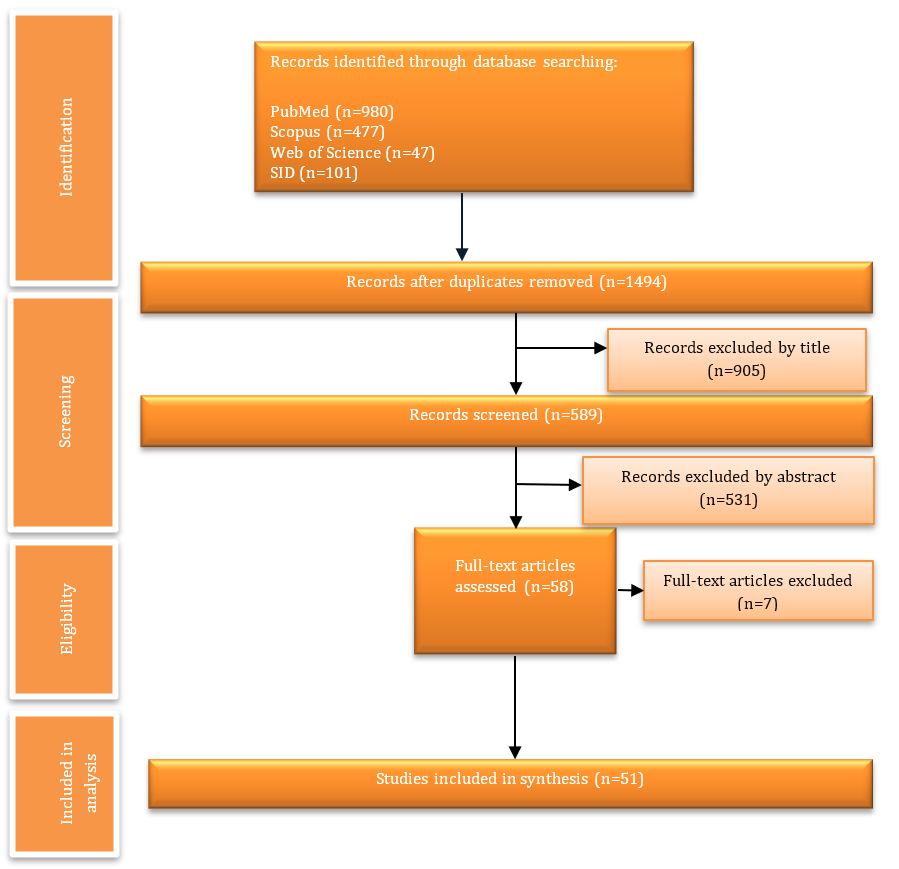
Figure 1. Flow diagram of the study selection process
Findings
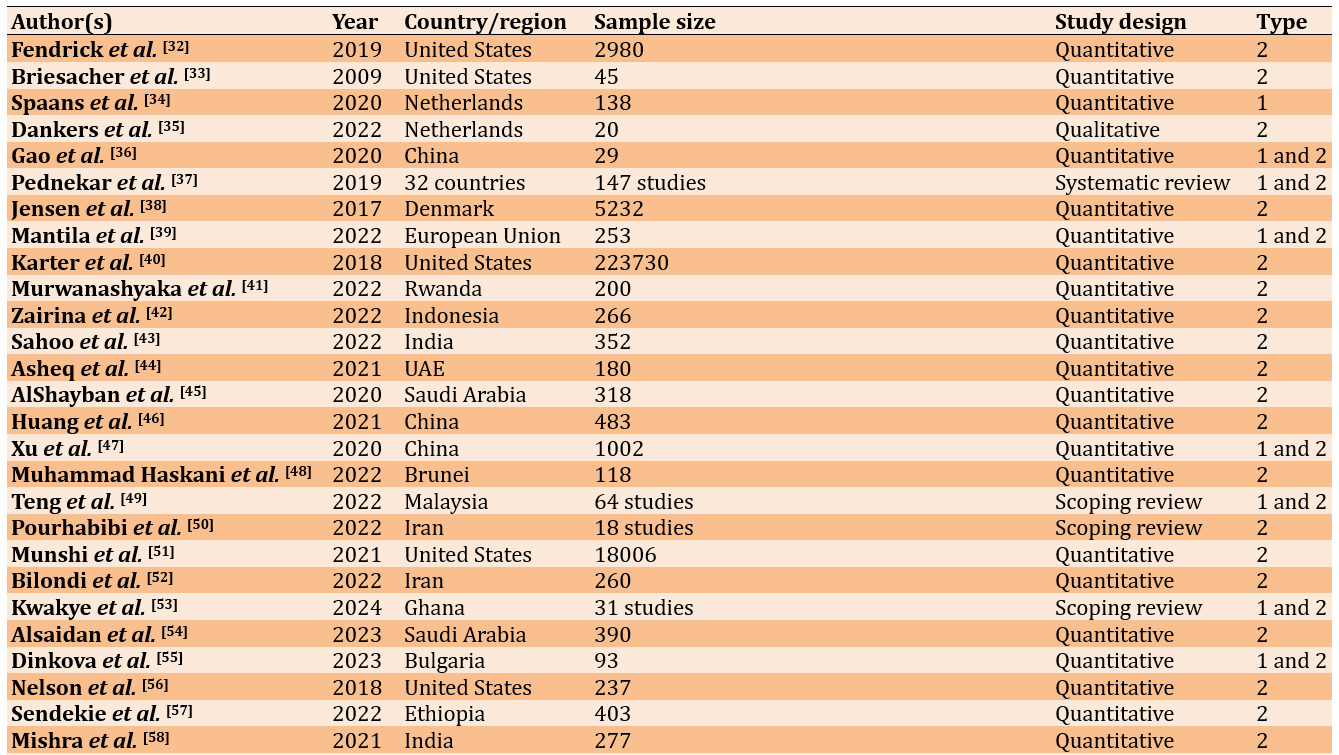
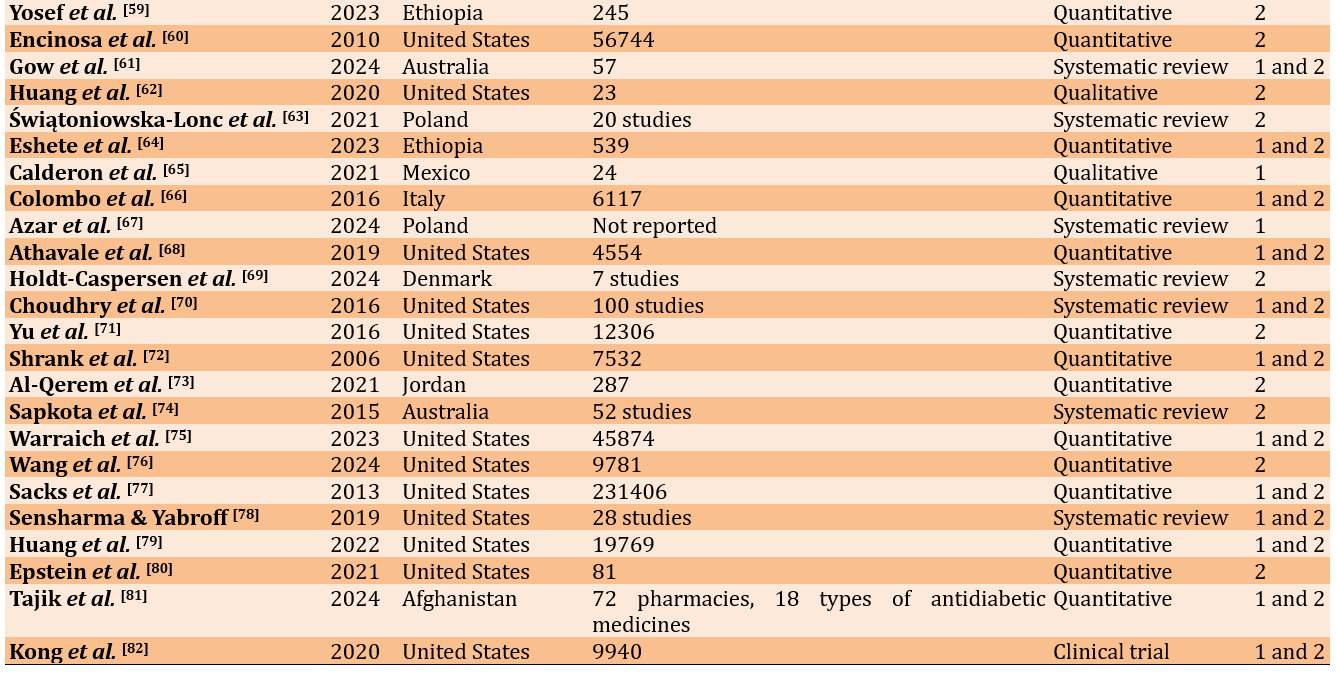
All included studies were published in English. In terms of geographical distribution, the largest proportion of studies originated in the United States, accounting for 36.54% of total publications, while the remaining studies were conducted in diverse countries with varying healthcare systems and sociocultural contexts. They demonstrated methodological heterogeneity, encompassing quantitative, qualitative, mixed-methods, interventional, and review designs, thereby enabling a comprehensive overview of the existing evidence on medication adherence among individuals with diabetes (Table 1).
Table 1. Summary characteristics of the included studies on factors influencing medication adherence among patients with diabetes
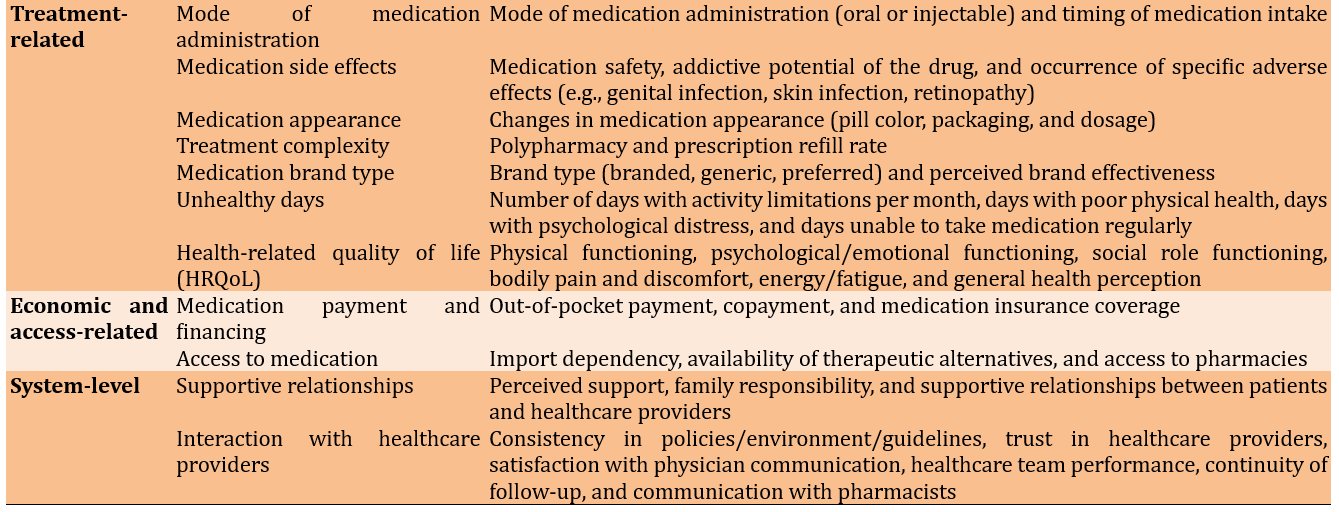
The determinants of medication adherence among individuals with diabetes can be organized into five principal domains: individual and demographic factors, psychological and behavioral factors, treatment-related factors, economic and access-related factors, and health system–level determinants (Table 2). Of the 52 included studies, 28 (53.8%) addressed factors situated at the individual and demographic level. Psychological and behavioral determinants were reported in 11 studies (21.2%), treatment-related factors in 8 studies (15.4%), economic and access-related influences in 10 studies (19.2%), and system-level determinants in 7 studies (13.5%).
Table 2. Factors influencing medication adherence among patients with diabetes
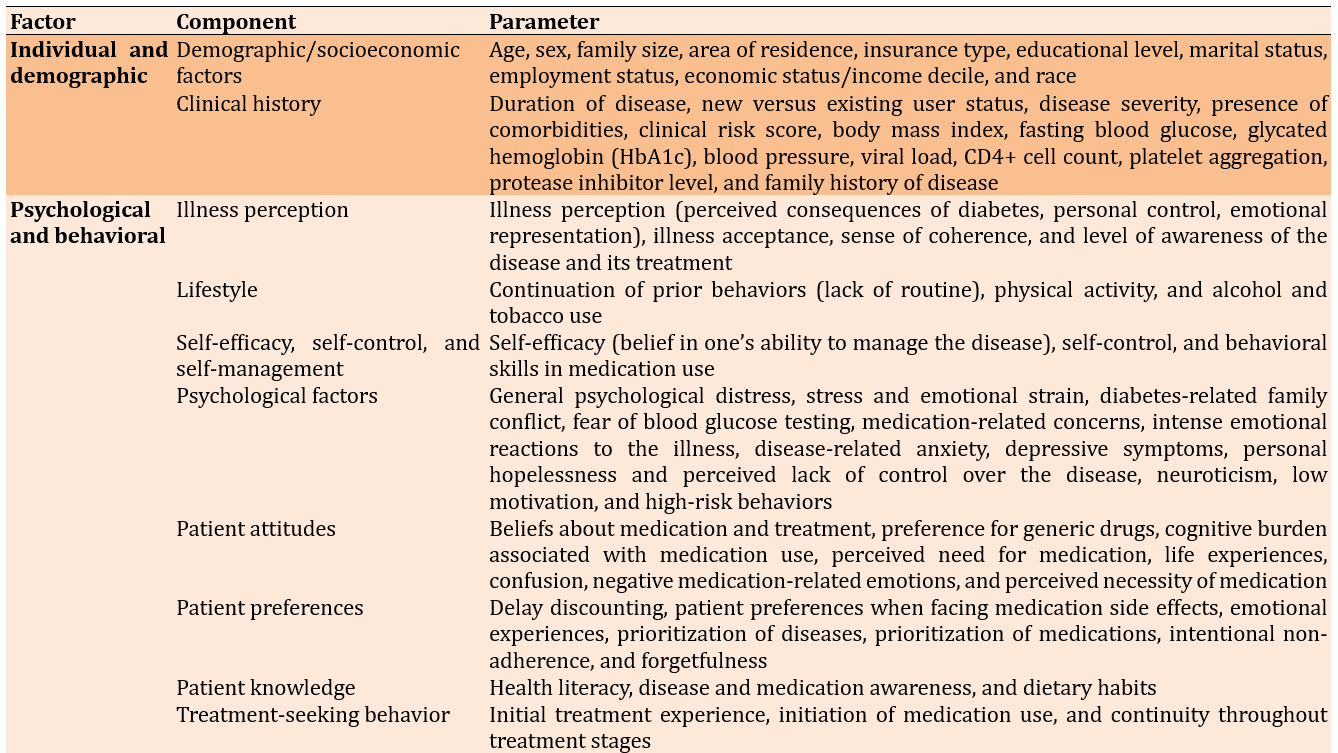
At the individual and demographic level, medication adherence among patients with diabetes was influenced by socio-demographic characteristics, patient-level economic indicators, and clinical history. Clinical history accounted for the largest share, reported in 54% of the included studies as a determinant of medication adherence, whereas socio-demographic and economic factors were identified in 46% of the studies as influential parameters [32–60].
At the psychological and behavioral level, medication adherence among patients with diabetes was substantially shaped by cognitive, emotional, and behavioral determinants. Within this domain, patients’ attitudes were reported as adherence-related factors in 21% of the studies [50, 53, 56, 61–64], while patient knowledge was identified in 19% [36, 46, 50, 53, 54, 56, 61, 65–67]. Psychological conditions, including anxiety, depression, emotional distress, and psychological readiness, were reported in 17% of the studies [34, 49, 50, 61–64, 67, 68]. Illness perception, self-efficacy, self-control, and self-management were each identified in 13% of the studies as determinants of adherence [34, 47, 53, 54, 63, 64, 67]. Lifestyle-related factors were reported in 15% of the studies [32, 42, 43, 49, 50, 53, 58, 59], while patient preferences were noted in 11% [40, 62, 69–72]. Treatment-seeking behavior received comparatively limited attention and was addressed in only 4% of the studies [34, 36]. Overall, the evidence suggests that patients with a clearer understanding of their condition, more favorable attitudes toward treatment, and greater competence in managing their therapy are more likely to demonstrate consistent adherence to prescribed medication regimens.
At the level of treatment-related factors, medication side effects were examined in 15% of the studies as significant determinants of medication adherence [41, 44, 45, 61, 62, 68, 69, 73]. The mode of administration was reported in 6% of the studies, particularly regarding medication type, oral versus injectable treatment, and treatment form [62, 69, 71]. Treatment complexity, including polypharmacy, complex regimens, and challenges in treatment scheduling, was identified in 7% of studies as an adherence-related factor [38, 51, 57, 74]. A smaller proportion of studies also highlighted medication appearance and brand type, suggesting that perceived differences between branded and generic products in quality, effectiveness, or reliability may influence patients’ adherence behaviors; however, these aspects were addressed in only approximately 5% of the studies [70-72].
In addition, treatment outcomes and their impact on patients’ overall condition were considered in a small number of studies. Health-related quality of life and the number of unhealthy days were examined as outcome-related factors associated with medication adherence in approximately 4% of the studies [43, 58].
At the level of economic and access-related determinants, medication payment and financing mechanisms were reported in 19% of the studies as factors associated with medication adherence, including copayment, out-of-pocket expenditure, insurance coverage, medication price, coupons, direct patient costs, and broader financial resources [32, 40, 51, 68, 75–80]. Access to medication was examined in 10% of the studies, particularly regarding pharmacy-related factors, medication availability, coupon-based access, reliance on imported medicines, and access to prescribed treatments [62, 75, 76, 81, 82].
At the system level, supportive relationships were identified in 13% of the studies as factors associated with medication adherence, including perceived support, social and family support, supportive patient-provider relationships, and social motivation [46, 50, 53, 56, 60–63]. In addition, interactions with healthcare providers were examined in 10% of the studies, particularly in relation to provider incentives, trust in healthcare providers, satisfaction with physician-patient communication, continuity of follow-up, patient education, and the stability or performance of the care team [37, 53, 62, 63, 82].
Discussion
This study aimed to systematically identify, categorize, and synthesize the factors influencing medication adherence among individuals with diabetes. The existing evidence can be organized within a multilevel framework encompassing individual and demographic factors, psychological and behavioral determinants, treatment-related influences, economic and access-related conditions, and system-level components. This pattern aligns with the results of recent reviews on diabetes medication adherence, which emphasize individual, cognitive, and social factors [16, 83]. Overall, our findings reinforce the multidimensional nature of medication adherence and highlight the need to move beyond single-factor explanations toward more comprehensive conceptual frameworks that capture the complexity of adherence behavior [12, 84, 85].
Individual and demographic factors, together with psychological and behavioral determinants, accounted for the largest share of the explanation of medication adherence. This observation is consistent with recent evidence indicating that medication adherence in type 2 diabetes is shaped by a combination of patient-related characteristics, socioeconomic conditions, psychological comorbidities, treatment beliefs, health literacy, and self-management capacity [6]. Such convergence suggests that the predominant focus of diabetes research on individual, demographic, and psychosocial factors reflects their substantive importance in shaping patients’ therapeutic behaviors. However, the concentration of evidence around patient-level determinants should not be interpreted as indicating that adherence is primarily an individual responsibility. Rather, these factors appear to operate within broader treatment, economic, access-related, and health system contexts that may either enable or constrain patients’ ability to sustain medication use over time. This interpretation is supported by recent evidence emphasizing that medication adherence and diabetes self-management are shaped by the interaction of psychological, social, structural, and healthcare-related barriers rather than by isolated patient characteristics alone [6, 86].
Parameters such as socio-demographic characteristics, clinical history, attitudes toward illness and treatment, patient knowledge, illness perceptions, and self-efficacy play a pivotal role in patients’ decisions to initiate and sustain pharmacological therapy. This emphasis aligns with theoretical perspectives in health behavior research, which conceptualize medication adherence not merely as a treatment-related action but as a process influenced by patients’ beliefs, expectations, and psychosocial capacities [15, 87, 88].
Furthermore, patients’ perceptions of medication type can influence their willingness to adhere to therapy. This observation is consistent with studies conducted by Alqarni et al., Kesselheim et al., and Håkonsen & Toverud [16, 89, 90]. The relative scarcity of evidence in this domain may reflect the dominance of clinically oriented and behavior-focused paradigms within adherence research. In contrast, in other areas of health and chronic disease management, constructs such as brand trust, medication image, and patient loyalty to treatment have been well documented as influential components of health consumer behavior [89, 91, 92].
At the level of treatment-related determinants, patients’ direct experiences with medications and therapeutic regimens—including side effects, treatment complexity, mode of administration, and the impact of therapy on health-related quality of life—may substantially influence medication adherence. This interpretation is supported by broader evidence showing that medication-related burden and patients’ lived experience with medicines can shape beliefs, daily functioning, treatment acceptability, and medication-taking behavior [93–95]. While factors, such as adverse drug reactions, regimen complexity, medication appearance, and health-related quality of life (HRQoL) may directly affect adherence, our findings suggest that these dimensions have been examined in a fragmented and non-systematic manner across the literature. This fragmentation indicates that treatment-related determinants are often treated as isolated pharmacological or practical issues rather than as interrelated components of the patient’s overall treatment burden and medication experience [15, 87, 94, 96].
Similarly, observable changes in medication characteristics—such as color, shape, size, and packaging—may create uncertainty, reduce confidence, and contribute to nonpersistence or lower adherence [97]. Taken together, brand-related attributes, although less frequently investigated, constitute an integral component of patients’ perceptual and contextual experience. Neglecting such dimensions may therefore result in an incomplete understanding of adherence behavior among individuals with diabetes.
At the level of economic and access-related determinants, medication financing mechanisms and access constraints function as significant structural barriers influencing adherence among individuals with diabetes. As demonstrated by Studer et al., economic factors—particularly patients’ ability to afford medication costs—are associated with patterns of treatment initiation and continuation and may contribute to reduced adherence [98]. Similarly, Barthold et al. reported that high out-of-pocket costs for type 2 diabetes medications may increase the risk of nonadherence and reduce medication utilization, particularly when cost-sharing increases after transition into Medicare [99].
Even when individual attitudes and perceptual factors are favorable, financial and access-related barriers—such as elevated drug prices, incomplete insurance coverage, or logistical limitations in obtaining medications—can meaningfully undermine adherence behavior [100]. Addressing these structural impediments should, therefore, be regarded as a critical component of health policy formulation and the design of adherence-enhancing interventions for patients with diabetes.
At the system level, supportive relationships and interactions with healthcare providers play a substantive role in shaping medication adherence behaviors among individuals with diabetes. This interpretation is supported by recent evidence indicating that social support may influence medication adherence both directly and indirectly through self-efficacy, and that shared decision-making and patient-provider communication are central to diabetes care and long-term treatment engagement [101].
Furthermore, Erdoğan Yüce and Yıldırım demonstrated that social support improves treatment adherence both directly and indirectly through enhanced illness acceptance, with stronger social support associated with higher levels of medication adherence [102]. Similarly, Angadi and Shubha highlighted that support from family, friends, and close networks—alongside constructive engagement with healthcare providers—can strengthen patients’ understanding of treatment, foster trust, and improve adherence to therapeutic recommendations, ultimately increasing consistent medication use [103].
Collectively, system-level determinants extend beyond individual characteristics and operate by strengthening supportive networks and enhancing patient-provider communication, thereby reinforcing pathways to improved medication adherence.
In conclusion, medication adherence among individuals with diabetes emerges from a dynamic, multilevel interaction among individual, psychological, treatment-related, economic, and system-level determinants. These results lend support to multicomponent and integrated intervention approaches, which have likewise been identified in prior research as among the most effective strategies for improving medication adherence [9, 104]. From a health policy and planning perspective, developing comprehensive conceptual frameworks that simultaneously address these interrelated domains may facilitate the design of more effective and sustainable interventions to enhance medication adherence among patients with diabetes.
The existing body of research has predominantly focused on individual and cognitive determinants, whereas comparatively less attention has been paid to patients’ lived experiences, economic and access barriers, healthcare system interactions, and perceptual attributes of medications—particularly those associated with pharmaceutical branding. The adoption of comprehensive conceptual frameworks that simultaneously incorporate these dimensions may enable a more nuanced understanding of medication adherence and support the development of more effective interventions to improve therapeutic outcomes in patients with diabetes.
Conclusion
Medication adherence among individuals with diabetes is a multidimensional phenomenon shaped by the interplay of individual, psychological, treatment-related, economic, and system-level factors.
Acknowledgments: None declared by the authors.
Ethical Permissions: Not necessary for this kind of article.
Conflicts of Interest: There were no conflicts.
Authors' Contribution: Shahraki S (First Author), Introduction Writer/Main Researcher (35%); Bahador MK (Second Author), Methodologist/Discussion Writer (20%); Alimohammadzadeh Kh (Third Author), Methodologist/Assistant Researcher (15%); Begloo-Amin Gh (Fourth Author), Assistant Researcher/Statistical Analyst (15%); Mirzaei A (Fifth Author), Assistant Researcher/Statistical Analyst (15%)
Funding/Support: None declared by the authors.
Diabetes mellitus is one of the most prevalent chronic non-communicable diseases of the present century, with a steadily increasing incidence that has substantially intensified the global health, social, and economic burden. According to the latest estimates from the International Diabetes Federation (IDF), approximately 589 million adults aged 20-79 years worldwide are living with diabetes, representing nearly one in every nine adults and reflecting a persistent upward trend over the past two decades [1]. In addition, the global prevalence of type 1 diabetes in 2025 is estimated at approximately 9.5 million individuals, indicating an increase compared with recent years [2]. This growing burden is closely associated with the rising prevalence of metabolic risk factors, including obesity, sedentary lifestyles, and population aging, and is projected to further escalate in the absence of effective interventions [3]. Diabetes not only contributes significantly to increased mortality and disability but, due to its lifelong management requirements and the substantial costs associated with medical care, is also regarded as one of the major challenges confronting health systems worldwide [4].
Diabetes mellitus is a chronic, progressive disease whose effective control requires sustained adherence to pharmacological therapy in conjunction with lifestyle modification. Evidence indicates that achieving optimal glycemic control through appropriate medication adherence plays a pivotal role in preventing or delaying the onset of both microvascular and macrovascular complications of diabetes [5]. Nevertheless, evidence accumulated over the past decade indicates that medication adherence rates among patients with chronic diseases, including diabetes, remain suboptimal. Reports suggest that approximately 30% to 50% of individuals with diabetes do not take their medications in accordance with prescribed therapeutic recommendations [6]. This low level of medication adherence has been associated with adverse clinical outcomes, including elevated HbA1c levels, earlier onset of diabetes-related complications, increased hospitalizations, and greater financial burden on health systems [7, 8]. Therefore, medication adherence should be considered not merely an individual behavior but a fundamental determinant of treatment effectiveness and successful diabetes management at the population level [9].
Medication adherence, a central concept in the management of chronic diseases, refers to the extent to which a patient’s behavior aligns with the therapeutic recommendations mutually agreed upon by the patient and a healthcare provider [10]. In contrast to the traditional concept of compliance, which reflects a more unilateral and physician-centered approach, medication adherence emphasizes active patient participation, shared decision-making, and mutual understanding of the treatment process. In contemporary literature, this concept is frequently discussed alongside the term persistence, which refers to the length of time a patient continues taking the prescribed medication. Poor medication adherence may reduce treatment effectiveness by up to 40% and is considered one of the principal contributors to therapeutic failure in chronic diseases [11, 12]. In the context of diabetes, where disease management depends on the regular use of oral or injectable medications, medication adherence is recognized as one of the strongest predictors of patients’ metabolic control [13].
Medication adherence among individuals with diabetes is a multifaceted and inherently complex phenomenon, shaped by the dynamic interplay of individual, social, therapeutic, and structural determinants [14, 15]. At the individual level, factors such as age, sex, educational attainment, health literacy, beliefs about illness and treatment, and psychological status—including depression and anxiety—have been consistently reported as significant correlates of medication adherence [16, 17]. Notably, patients with limited health literacy are up to twice as likely to be nonadherent as those with adequate health literacy [18]. Treatment-related factors likewise exert a substantial influence. An increasing number of prescribed medications has been associated with a marked decline in adherence, underscoring the challenges posed by therapeutic complexity. Beyond individual and therapeutic dimensions, health system–level determinants—including treatment costs, access to healthcare services, insurance coverage, and the quality of patient-provider communication—are widely recognized as pivotal influences on adherence behavior. Taken together, the breadth and heterogeneity of these determinants suggest that medication adherence in diabetes cannot be reduced to a purely individual act; rather, it reflects the broader functioning of the healthcare system as well as the social and economic circumstances in which patients live.
Treatment-related determinants also play a critical role in diminishing medication adherence. In particular, a higher number of prescribed medications has consistently been associated with a substantial decline in adherence, reflecting the burden imposed by complex therapeutic regimens. Evidence further indicates that patients with diabetes who demonstrate low adherence are approximately 1.5 to 2 times more likely to experience recurrent hospitalizations and emergency department visits compared with their adherent counterparts [19, 20]. Beyond its clinical implications, medication nonadherence imposes a considerable economic strain on health systems. A substantial proportion of both direct and indirect costs attributable to diabetes arises from the management of preventable complications. Estimates suggest that improving medication adherence may lead to meaningful reductions in healthcare expenditures and facilitate more efficient allocation of limited therapeutic resources [21]. Accordingly, medication nonadherence should be regarded not only as a clinical concern but also as a significant economic and policy issue within the broader framework of diabetes management.
Despite the substantial body of research examining medication adherence among individuals with diabetes, the existing literature is characterized by considerable heterogeneity in conceptual definitions, study populations, and the range of determinants assessed [22]. Various studies have employed different indices and questionnaires to measure adherence, and the spectrum of reported influencing factors ranges from individual and psychological parameters to structural and policy-related determinants.
Moreover, the focus of some studies on specific types of diabetes, defined age groups, or restricted clinical settings has limited the development of a comprehensive understanding of adherence patterns across the full continuum of the diabetic population. Such conceptual and methodological variability has complicated cross-study comparisons and hindered the identification of coherent patterns, thereby constraining the practical application of available evidence in the design of effective interventions.
Under these circumstances, a systematic approach to mapping the existing body of evidence, identifying knowledge gaps, and clarifying underexplored domains appears both timely and necessary. In light of the steadily increasing global prevalence of diabetes, the pivotal role of medication adherence in achieving disease control and preventing complications, and the concurrent dispersion and heterogeneity of evidence regarding its determinants, undertaking a scoping review is warranted. This study aimed to systematically identify, categorize, and synthesize the factors influencing medication adherence among individuals with diabetes, as reported in recent studies.
Information and Methods
This scoping review, conducted using a systematic approach, was performed in accordance with the methodological framework proposed by Arksey & O’Malley and incorporated the methodological enhancements advanced by Levac et al. to improve transparency, rigor, and procedural coherence. This framework encompasses the identification of the research question, systematic searching for relevant studies, study selection, data extraction, and the collation, summarization, and reporting of results [23, 24]. The parameters were defined using the PCC framework approach [25], whereby the population comprised individuals with all types of diabetes, the core concept focused on medication adherence, and the context encompassed all healthcare delivery settings.
A systematic search was conducted in major databases—PubMed/MEDLINE, Scopus, Web of Science, and the Persian Scientific Information Database (SID)—for English- and Persian-language articles published between 2003 and 2025. The start year 2003 was chosen to align with the World Health Organization’s landmark report on adherence to long-term therapies.
The search strategy was constructed using a combination of free-text keywords and controlled vocabulary terms, with Boolean operators (AND/OR) applied to maximize sensitivity and comprehensiveness. English keywords and corresponding MeSH terms incorporated into the search process included, but were not limited to medication adherence, drug adherence, treatment adherence, therapy adherence, medication persistence, medication-taking behavior, adherence to medication regimen, patient compliance, treatment compliance, medication compliance, concordance, therapeutic compliance, diabetes mellitus, type 1 diabetes mellitus, type 2 diabetes mellitus, t1dm, t2dm, pharmaceutical services, pharmacy services, clinical pharmacy services, pharmaceutical care, medication therapy management (MTM), drugs, medications, medicines, pharmacotherapy, drug therapy, antidiabetic drugs, healthcare delivery, health care services, health service delivery, healthcare system, health system, medical care, disease management, chronic disease management, self-management, patient-centered care, and health outcomes.
The initial search yielded a total of 1,605 records. All retrieved references were subsequently imported into Rayyan, a web-based platform designed to facilitate the screening process in evidence syntheses [26], and duplicate entries were removed. Following deduplication, 1,494 records remained for title screening. At this stage, 905 articles were excluded due to lack of relevance to the study objectives, and 589 records proceeded to abstract review. Subsequent abstract screening led to the exclusion of an additional 531 articles, resulting in 58 studies being selected for full-text assessment.
During full-text evaluation, six articles were excluded because they did not sufficiently align with the conceptual scope of the review. Ultimately, 51 studies met the eligibility criteria and were included in the final scoping review. At all stages of the screening process, any discrepancies between reviewers were resolved through discussion and consensus; when necessary, a third reviewer acted as an adjudicator to reach a final decision.
The eligibility criteria encompassed all studies published in Persian or English, and quantitative, qualitative, mixed-methods, interventional, and review studies were considered eligible. No restrictions were imposed on the type of diabetes, healthcare delivery setting, or country in which the study was conducted to ensure a comprehensive mapping of the available evidence. Letters to the editor, opinion pieces, non-research reports, and studies for which the full text was not accessible were not included [27].
To facilitate systematic data extraction from the included studies, a standardized data-charting form was developed in alignment with the objectives of the review and informed by the methodological guidance of Arksey & O’Malley and the recommendations of the Joanna Briggs Institute (JBI) [24, 25, 28]. The draft form was pilot-tested on five initial studies and subsequently refined to enhance clarity, comprehensiveness, and consistency. Data extraction was then conducted independently by two reviewers. The extracted parameters included the name of the author(s), year of publication, country of study, sample size, study design, type of diabetes examined, and the factors identified as influencing medication adherence [28]. Any discrepancies in the extracted data were resolved through discussion and consensus between the reviewers; when necessary, a third reviewer was consulted to reach a final determination.
Analysis of the extracted data was undertaken using a structured narrative synthesis, drawing on inductive content analysis and a thematic analytic approach to identify, compare, and organize the factors influencing medication adherence [29, 30]. In the initial phase, data on determinants of medication adherence were summarized descriptively. This was followed by inductive coding conducted without reliance on a predetermined analytical framework. Through constant comparison, conceptually similar codes were iteratively reviewed, refined, and clustered into broader conceptual categories and overarching themes.
This analytic strategy enabled the integration and interpretation of findings derived from studies with diverse designs and contexts, thereby facilitating a comprehensive depiction of the scope and heterogeneity of the existing evidence base. The scoping review process and findings were reported in accordance with the PRISMA-ScR guidelines (Figure 1) [31].
Figure 1. Flow diagram of the study selection process
Findings
All included studies were published in English. In terms of geographical distribution, the largest proportion of studies originated in the United States, accounting for 36.54% of total publications, while the remaining studies were conducted in diverse countries with varying healthcare systems and sociocultural contexts. They demonstrated methodological heterogeneity, encompassing quantitative, qualitative, mixed-methods, interventional, and review designs, thereby enabling a comprehensive overview of the existing evidence on medication adherence among individuals with diabetes (Table 1).
Table 1. Summary characteristics of the included studies on factors influencing medication adherence among patients with diabetes
The determinants of medication adherence among individuals with diabetes can be organized into five principal domains: individual and demographic factors, psychological and behavioral factors, treatment-related factors, economic and access-related factors, and health system–level determinants (Table 2). Of the 52 included studies, 28 (53.8%) addressed factors situated at the individual and demographic level. Psychological and behavioral determinants were reported in 11 studies (21.2%), treatment-related factors in 8 studies (15.4%), economic and access-related influences in 10 studies (19.2%), and system-level determinants in 7 studies (13.5%).
Table 2. Factors influencing medication adherence among patients with diabetes
At the individual and demographic level, medication adherence among patients with diabetes was influenced by socio-demographic characteristics, patient-level economic indicators, and clinical history. Clinical history accounted for the largest share, reported in 54% of the included studies as a determinant of medication adherence, whereas socio-demographic and economic factors were identified in 46% of the studies as influential parameters [32–60].
At the psychological and behavioral level, medication adherence among patients with diabetes was substantially shaped by cognitive, emotional, and behavioral determinants. Within this domain, patients’ attitudes were reported as adherence-related factors in 21% of the studies [50, 53, 56, 61–64], while patient knowledge was identified in 19% [36, 46, 50, 53, 54, 56, 61, 65–67]. Psychological conditions, including anxiety, depression, emotional distress, and psychological readiness, were reported in 17% of the studies [34, 49, 50, 61–64, 67, 68]. Illness perception, self-efficacy, self-control, and self-management were each identified in 13% of the studies as determinants of adherence [34, 47, 53, 54, 63, 64, 67]. Lifestyle-related factors were reported in 15% of the studies [32, 42, 43, 49, 50, 53, 58, 59], while patient preferences were noted in 11% [40, 62, 69–72]. Treatment-seeking behavior received comparatively limited attention and was addressed in only 4% of the studies [34, 36]. Overall, the evidence suggests that patients with a clearer understanding of their condition, more favorable attitudes toward treatment, and greater competence in managing their therapy are more likely to demonstrate consistent adherence to prescribed medication regimens.
At the level of treatment-related factors, medication side effects were examined in 15% of the studies as significant determinants of medication adherence [41, 44, 45, 61, 62, 68, 69, 73]. The mode of administration was reported in 6% of the studies, particularly regarding medication type, oral versus injectable treatment, and treatment form [62, 69, 71]. Treatment complexity, including polypharmacy, complex regimens, and challenges in treatment scheduling, was identified in 7% of studies as an adherence-related factor [38, 51, 57, 74]. A smaller proportion of studies also highlighted medication appearance and brand type, suggesting that perceived differences between branded and generic products in quality, effectiveness, or reliability may influence patients’ adherence behaviors; however, these aspects were addressed in only approximately 5% of the studies [70-72].
In addition, treatment outcomes and their impact on patients’ overall condition were considered in a small number of studies. Health-related quality of life and the number of unhealthy days were examined as outcome-related factors associated with medication adherence in approximately 4% of the studies [43, 58].
At the level of economic and access-related determinants, medication payment and financing mechanisms were reported in 19% of the studies as factors associated with medication adherence, including copayment, out-of-pocket expenditure, insurance coverage, medication price, coupons, direct patient costs, and broader financial resources [32, 40, 51, 68, 75–80]. Access to medication was examined in 10% of the studies, particularly regarding pharmacy-related factors, medication availability, coupon-based access, reliance on imported medicines, and access to prescribed treatments [62, 75, 76, 81, 82].
At the system level, supportive relationships were identified in 13% of the studies as factors associated with medication adherence, including perceived support, social and family support, supportive patient-provider relationships, and social motivation [46, 50, 53, 56, 60–63]. In addition, interactions with healthcare providers were examined in 10% of the studies, particularly in relation to provider incentives, trust in healthcare providers, satisfaction with physician-patient communication, continuity of follow-up, patient education, and the stability or performance of the care team [37, 53, 62, 63, 82].
Discussion
This study aimed to systematically identify, categorize, and synthesize the factors influencing medication adherence among individuals with diabetes. The existing evidence can be organized within a multilevel framework encompassing individual and demographic factors, psychological and behavioral determinants, treatment-related influences, economic and access-related conditions, and system-level components. This pattern aligns with the results of recent reviews on diabetes medication adherence, which emphasize individual, cognitive, and social factors [16, 83]. Overall, our findings reinforce the multidimensional nature of medication adherence and highlight the need to move beyond single-factor explanations toward more comprehensive conceptual frameworks that capture the complexity of adherence behavior [12, 84, 85].
Individual and demographic factors, together with psychological and behavioral determinants, accounted for the largest share of the explanation of medication adherence. This observation is consistent with recent evidence indicating that medication adherence in type 2 diabetes is shaped by a combination of patient-related characteristics, socioeconomic conditions, psychological comorbidities, treatment beliefs, health literacy, and self-management capacity [6]. Such convergence suggests that the predominant focus of diabetes research on individual, demographic, and psychosocial factors reflects their substantive importance in shaping patients’ therapeutic behaviors. However, the concentration of evidence around patient-level determinants should not be interpreted as indicating that adherence is primarily an individual responsibility. Rather, these factors appear to operate within broader treatment, economic, access-related, and health system contexts that may either enable or constrain patients’ ability to sustain medication use over time. This interpretation is supported by recent evidence emphasizing that medication adherence and diabetes self-management are shaped by the interaction of psychological, social, structural, and healthcare-related barriers rather than by isolated patient characteristics alone [6, 86].
Parameters such as socio-demographic characteristics, clinical history, attitudes toward illness and treatment, patient knowledge, illness perceptions, and self-efficacy play a pivotal role in patients’ decisions to initiate and sustain pharmacological therapy. This emphasis aligns with theoretical perspectives in health behavior research, which conceptualize medication adherence not merely as a treatment-related action but as a process influenced by patients’ beliefs, expectations, and psychosocial capacities [15, 87, 88].
Furthermore, patients’ perceptions of medication type can influence their willingness to adhere to therapy. This observation is consistent with studies conducted by Alqarni et al., Kesselheim et al., and Håkonsen & Toverud [16, 89, 90]. The relative scarcity of evidence in this domain may reflect the dominance of clinically oriented and behavior-focused paradigms within adherence research. In contrast, in other areas of health and chronic disease management, constructs such as brand trust, medication image, and patient loyalty to treatment have been well documented as influential components of health consumer behavior [89, 91, 92].
At the level of treatment-related determinants, patients’ direct experiences with medications and therapeutic regimens—including side effects, treatment complexity, mode of administration, and the impact of therapy on health-related quality of life—may substantially influence medication adherence. This interpretation is supported by broader evidence showing that medication-related burden and patients’ lived experience with medicines can shape beliefs, daily functioning, treatment acceptability, and medication-taking behavior [93–95]. While factors, such as adverse drug reactions, regimen complexity, medication appearance, and health-related quality of life (HRQoL) may directly affect adherence, our findings suggest that these dimensions have been examined in a fragmented and non-systematic manner across the literature. This fragmentation indicates that treatment-related determinants are often treated as isolated pharmacological or practical issues rather than as interrelated components of the patient’s overall treatment burden and medication experience [15, 87, 94, 96].
Similarly, observable changes in medication characteristics—such as color, shape, size, and packaging—may create uncertainty, reduce confidence, and contribute to nonpersistence or lower adherence [97]. Taken together, brand-related attributes, although less frequently investigated, constitute an integral component of patients’ perceptual and contextual experience. Neglecting such dimensions may therefore result in an incomplete understanding of adherence behavior among individuals with diabetes.
At the level of economic and access-related determinants, medication financing mechanisms and access constraints function as significant structural barriers influencing adherence among individuals with diabetes. As demonstrated by Studer et al., economic factors—particularly patients’ ability to afford medication costs—are associated with patterns of treatment initiation and continuation and may contribute to reduced adherence [98]. Similarly, Barthold et al. reported that high out-of-pocket costs for type 2 diabetes medications may increase the risk of nonadherence and reduce medication utilization, particularly when cost-sharing increases after transition into Medicare [99].
Even when individual attitudes and perceptual factors are favorable, financial and access-related barriers—such as elevated drug prices, incomplete insurance coverage, or logistical limitations in obtaining medications—can meaningfully undermine adherence behavior [100]. Addressing these structural impediments should, therefore, be regarded as a critical component of health policy formulation and the design of adherence-enhancing interventions for patients with diabetes.
At the system level, supportive relationships and interactions with healthcare providers play a substantive role in shaping medication adherence behaviors among individuals with diabetes. This interpretation is supported by recent evidence indicating that social support may influence medication adherence both directly and indirectly through self-efficacy, and that shared decision-making and patient-provider communication are central to diabetes care and long-term treatment engagement [101].
Furthermore, Erdoğan Yüce and Yıldırım demonstrated that social support improves treatment adherence both directly and indirectly through enhanced illness acceptance, with stronger social support associated with higher levels of medication adherence [102]. Similarly, Angadi and Shubha highlighted that support from family, friends, and close networks—alongside constructive engagement with healthcare providers—can strengthen patients’ understanding of treatment, foster trust, and improve adherence to therapeutic recommendations, ultimately increasing consistent medication use [103].
Collectively, system-level determinants extend beyond individual characteristics and operate by strengthening supportive networks and enhancing patient-provider communication, thereby reinforcing pathways to improved medication adherence.
In conclusion, medication adherence among individuals with diabetes emerges from a dynamic, multilevel interaction among individual, psychological, treatment-related, economic, and system-level determinants. These results lend support to multicomponent and integrated intervention approaches, which have likewise been identified in prior research as among the most effective strategies for improving medication adherence [9, 104]. From a health policy and planning perspective, developing comprehensive conceptual frameworks that simultaneously address these interrelated domains may facilitate the design of more effective and sustainable interventions to enhance medication adherence among patients with diabetes.
The existing body of research has predominantly focused on individual and cognitive determinants, whereas comparatively less attention has been paid to patients’ lived experiences, economic and access barriers, healthcare system interactions, and perceptual attributes of medications—particularly those associated with pharmaceutical branding. The adoption of comprehensive conceptual frameworks that simultaneously incorporate these dimensions may enable a more nuanced understanding of medication adherence and support the development of more effective interventions to improve therapeutic outcomes in patients with diabetes.
Conclusion
Medication adherence among individuals with diabetes is a multidimensional phenomenon shaped by the interplay of individual, psychological, treatment-related, economic, and system-level factors.
Acknowledgments: None declared by the authors.
Ethical Permissions: Not necessary for this kind of article.
Conflicts of Interest: There were no conflicts.
Authors' Contribution: Shahraki S (First Author), Introduction Writer/Main Researcher (35%); Bahador MK (Second Author), Methodologist/Discussion Writer (20%); Alimohammadzadeh Kh (Third Author), Methodologist/Assistant Researcher (15%); Begloo-Amin Gh (Fourth Author), Assistant Researcher/Statistical Analyst (15%); Mirzaei A (Fifth Author), Assistant Researcher/Statistical Analyst (15%)
Funding/Support: None declared by the authors.
Article Type: Systematical Review/Meta-Analysis |
| Rights and permissions | |
 |
This work is licensed under a Creative Commons Attribution-NonCommercial 4.0 International License. |