Afarand Scholarly Publishing Institute
Publisher of open-access, peer-reviewed journals since 2003
5
Journals
CC BY-NC
Open access
10.58209
DOI prefix
Search Afarand journals
Volume -
3 , - : 607-615 |
Back to browse issues page



Download citation:
BibTeX | RIS | EndNote | Medlars | ProCite | Reference Manager | RefWorks
Send citation to:


BibTeX | RIS | EndNote | Medlars | ProCite | Reference Manager | RefWorks
Send citation to:
Applying the Technology Acceptance Model to Explore Physical Workload Toward Web-Based Screening. 3 https://doi.org/10.58209/hehp.13.4.607
URL: http://daneshafarand.org/article-1-82904-en.html
URL: http://daneshafarand.org/article-1-82904-en.html
| Abstract (HTML) (1500 Views)
Full-Text: (185 Views)
Introduction
Manufacturing companies are characterized as businesses that produce items using a variety of processes, allowing for direct observation of actual production, machinery, and capacities at their operational speed. For manufacturing organizations, creating the capacity to produce and manufacture a wide range of high-quality items in a short amount of time is a major challenge [1]. Because of this situation, workers in industrial environments, especially in manufacturing companies, are particularly susceptible to high physical and mental workloads, which compromise employee productivity and well-being [2]. Physical workload is the quantifiable amount of physical resources used to carry out a specific task (e.g., repetitive work, physical stress, manual lifting, and carrying) [3].
Physical workload is a crucial issue in manufacturing companies. Studies conducted in the car-parts manufacturing industry show high physical workloads that lead to work-related musculoskeletal disorders (WRMSDs) [4]. A study of 239 manufacturing workers at a company in Indonesia found that 17.1% of workers experienced heavy and very heavy physical workloads [5]. A cross-sectional, correlational study was conducted in 2023 among 100 workers selected from a population of 134. High workloads were identified in 85% of the workers, with both physical and mental workload dimensions reaching high levels in the same proportion [2].
Despite being less significant than mental effort, physical workload also shows a negative relationship with work function [6]. When the physical demands of a task exceed an individual’s capacity, it can lead to a range of negative outcomes, such as musculoskeletal injuries and cardiovascular issues. Excessive physical workload can also result in burnout, lower job satisfaction, increased workplace complaints, higher rates of absenteeism, reduced mental focus, and a greater risk of mistakes or accidents [3]. An individual facing an excessive workload is likely to become physically overstrained, experience fatigue, and lack the necessary energy to carry out their responsibilities effectively [7]. A workload that is disproportionate to body weight may lead to health issues. Both obesity and heavy physical exertion are associated with decreased work capacity, and their combined detrimental effects outweigh those of either condition alone [8]. A heavy physical workload and obesity are risk factors for disability benefits. Additionally, these factors work together to increase the likelihood of absences from the workforce related to musculoskeletal disorder (MSD)-related disability benefits [9].
Evaluating physical workload is a critical first step in determining whether it is excessive and in implementing appropriate measures to manage or reduce it [3]. To effectively understand workers’ needs and encourage safe behavior, it is essential to consider the workload they are required to manage. Addressing workload demands is a crucial step in creating a safer and more supportive work environment [10]. Current workload assessments are often suboptimal due to limited tools and methods that are difficult to access and complex manual calculation processes. In workload measurement research and practice, various methods have been developed to assess the physical and mental aspects of work. The most widely used methods are NASA-TLX, SWAT, and physiological methods, such as heart rate (ECG) or brain activity (EEG) measurements. NASA-TLX offers a multidimensional assessment of mental, physical, and temporal work stress using a weighted score that provides a detailed picture of workload levels. However, this method is time-consuming and subjective. In contrast, the SWAT method uses a simpler interval scale that is easily applicable across contexts, although it measures a more limited set of dimensions. The Bedford method, which employs a verbal scale, is also often used for rapid assessment, but scale interpretation can be challenging. Meanwhile, physiological methods provide objective, real-time data on workload but require specialized equipment and can be disruptive to workers’ activities [11]. Comparative literature emphasizes that no single method is perfect for all situations. The choice of method depends on the measurement objectives, the work context, the complexity of the task, and the available resources [12, 13]. The Indonesian government has issued regulations in the form of SNI 7269:2009, which governs workload assessment procedures based on calorie needs and worker energy expenditure. Unfortunately, this manual method is ineffective in the field due to its significant time and labor requirements.
These days, Internet access has permeated many facets of our lives, including politics, social interaction, education, healthcare, the economy, and culture. The internet is a major tool for exchanging information and acts as a bridge and medium for effective communication across time and location boundaries. The number of internet users in Indonesia increased steadily from 171.17 million in 2018 and 144.17 million in 2017 to 184.97 million in 2019, according to Indonesia Investment [14]. With the increasing number of internet users, measuring physical workload using the internet has become more accessible. Various health education media now utilize the internet because it offers real-time information and is easy to use [15].
This research proposed a web-based screening tool to explore physical workload. The literature on technology adoption examines how individuals’ perceptions influence their intentions to use technology and their actual usage behavior [16]. The technology acceptance model (TAM), first proposed in 1986, describes how people can accept and use technology. The concept posits that two key factors—perceived utility and perceived ease of use—significantly impact people’s attitudes, which are defined as their favorable or unfavorable perceptions regarding the adoption of a system. Additionally, according to TAM, perceived usefulness can be directly influenced by perceived ease of use. Furthermore, a person’s attitude toward the system and their perception of its value both influence their behavioral intention to utilize it. The actual use of the system, also known as system usage, is then predicted based on these behavioral intentions [17].
Given this context, the purpose of this study was to determine whether a web-based screening tool to investigate physical burden is acceptable using the TAM. Thus, this research makes an important contribution both in terms of worker health and the development of technologies that support effective workload management and obesity prevention in the workplace.
Instrument and Methods
Design and participants
This experimental research using a one-shot case study design was conducted on 239 employees at a single institution, a manufacturing company in East Java, Indonesia, from August 2023 to March 2024.
A basic random sampling technique was used to select the respondents from among the 504 employees in total. This sampling strategy was developed to ensure that the chosen sample would be representative of the total population, enabling the generalization of the study’s conclusions. The inclusion criteria were active workers in the manufacturing sector who had worked for at least 6 months, had basic skills in using digital devices, such as computers or smartphones, and were willing to follow all research procedures, including using the application and completing the questionnaire. Workers who were on leave, on long-term leave, or not actively working during the research period, as well as those who had physical or cognitive impairments that could affect their participation in using the application, were unwilling to provide consent as research participants, had a history of special technology training that could cause bias in their perception of the application, or had previously been involved in trials of similar applications were not included.
The sample size was determined using the simple random sampling method with Sample Size 2.0 software. The calculation was based on a confidence level of 95%, an anticipated population proportion (P) of 0.5, a margin of error (d) of 0.05, and a total population size (N) of 504. These values were entered into the below formula:
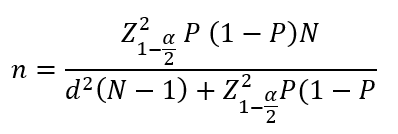
Where n represents the required sample size, Z is the standard normal deviate corresponding to the desired confidence level (1.96 for 95%), P is the estimated proportion of the population with the characteristic of interest, d is the absolute precision, and N is the total population size. Thus, the required minimum sample size was 219 respondents. This number ensures that the study results achieve a 95% confidence level with an acceptable margin of error of ±5%.
A web-based Physical Workload Assessment Application written in the Indonesian language was utilized. This application can be accessed online at https://www.siskerja.com and is specifically designed to calculate the physical workload of workers based on anthropometric parameters and daily work activities (Figure 1). The application is a digital tool designed to streamline the workload evaluation process in industrial environments. Users of the application are asked to fill in some basic information, such as the worker’s name, gender, weight, work unit, company name, worker ID, and email address. Workload data is measured by parameters, namely the type of work (hand movement). Users are asked to select the type of hand movement used in their work. There are four options available: using both hands, using one hand, or using hand movements with two arms. In addition, the name of the job and the duration of work in minutes must be manually entered. Next, users are directed to fill in the activity category based on the type of work. This category has been adjusted to conform to the physical activity classification standards from the ergonomics and occupational health literature. Additionally, data on body positions while working, such as sitting, standing, walking, or climbing, is collected. After all activities are input, the application will calculate the average workload per hour based on the duration, category, and weight of the activity, as well as the worker’s body weight, providing the final result in the form of total energy consumption (kcal/hour). It classifies the workload into categories of light, moderate, heavy, or very heavy and provides health advice based on these results. The formula used in the application refers to the metabolic equivalent task (MET) approach, which assesses energy consumption based on the intensity of physical activity.
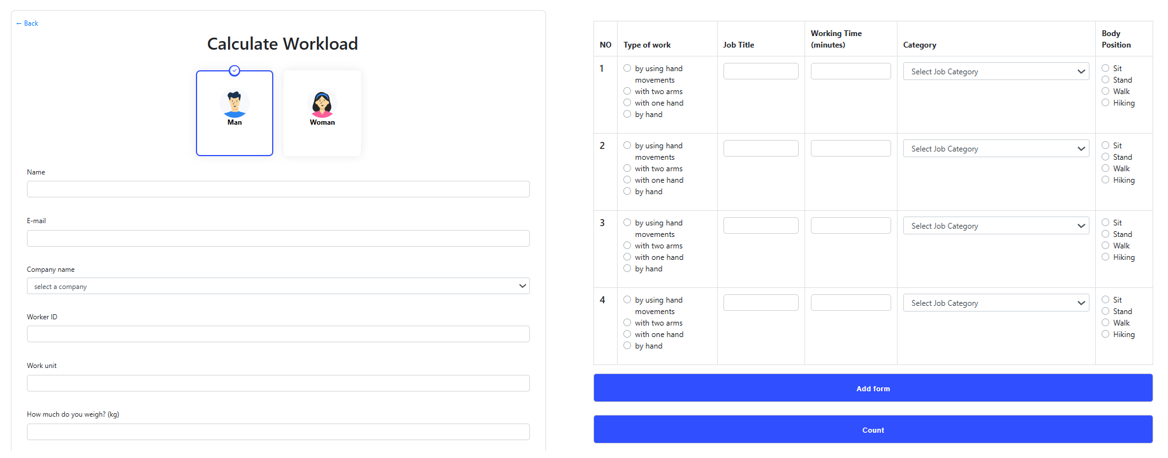
Figure 1. Website page of the application (https://siskerja.com/beban_kerja/index).
Data colection
The Institutional Review Board Committee of the Faculty of Nursing, Universitas Airlangga, reviewed and approved the study protocol and informed consent form with number 2963-KEPK/2023. Every participant in this study provided their informed consent voluntarily. All participants agreed to participate in this study.
Demographic data collected included gender, education level, smoking status, and exercise habits. Respondents’ physical workload was categorized into four levels based on the energy required during work activities: light, moderate, heavy, and very heavy. Respondents’ nutritional status was also analyzed based on the categories of underweight, normal, and overweight or obese. The TAM served as the theoretical foundation for this study’s assessment of employees’ adoption of technology. Perceived usefulness (PU), or the degree to which an individual believes that utilizing an application will enhance their performance, is one of the primary factors in this model. The degree of perceived ease of use of the application is known as perceived ease of use (PEOU), the user’s intention to continue using the application is referred to as behavioral intention (BI), and actual system use (ASU) measures how much respondents actually utilize the applications.
Instrument
We employed a self-administered questionnaire to gather data. The questionnaire was created through documentation analysis, in-person interviews, and a review of pertinent literature. Additionally, a pilot test was conducted using the web-based Physical Workload Assessment Application with a small group of workers. The application’s usability and functionality were evaluated during this pilot test to identify issues and gather user feedback. The trial application usage time was approximately 15 minutes, which was considered efficient and acceptable by the participants. Based on the evaluation results, necessary revisions were made to both the questionnaire and the application to improve clarity, user experience, and accuracy before the main data collection phase. This iterative process helped ensure that the instruments were both reliable and user-friendly, thereby enhancing the quality of the data collected in the study.
Analysis
To test the relationships between constructs in the TAM model, path analysis was conducted using SmartPLS software version 3.28. Model evaluation included testing the outer model (construct validity and reliability) and the inner model (model fit test). The Chi-square statistic, normed fit index (NFI), and standardized root mean square residual (SRMR) were among the model fit criteria employed. To further ensure the validity and reliability of the measurement tool, composite reliability values, average variance extracted (AVE), and Cronbach’s alpha were also examined.
Findings
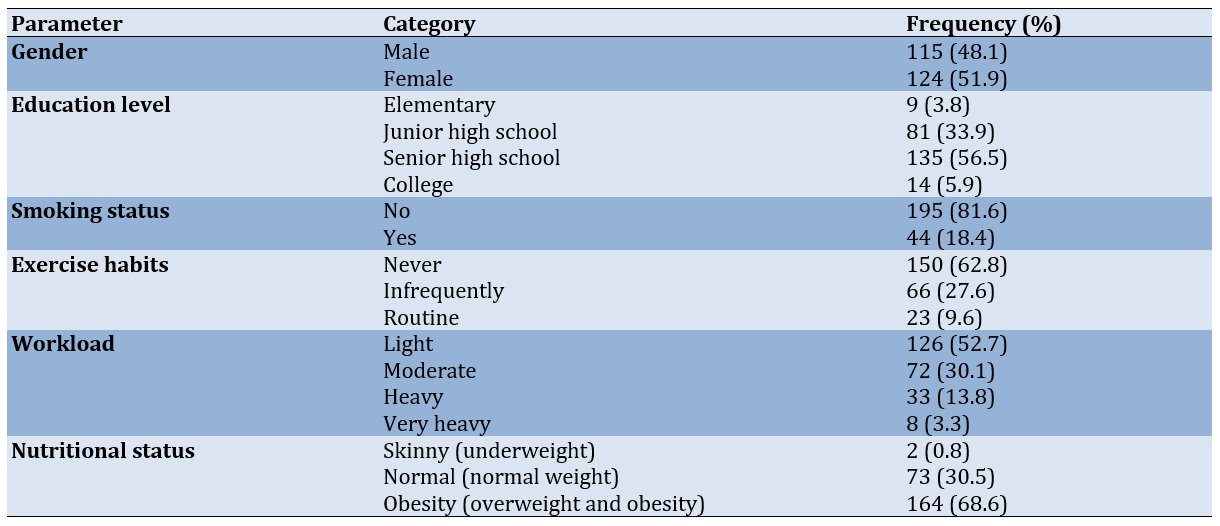
Among the 239 workers who responded, more than half were female and had completed senior high school. Most participants reported that they did not smoke. Regarding exercise habits, a large proportion of the respondents indicated that they rarely or never engaged in physical activity. In terms of physical workload, the majority performed light tasks. Based on their nutritional status, more than half of the employees were categorized as overweight or obese (Table 1).
Table 1. Participants’ characteristics
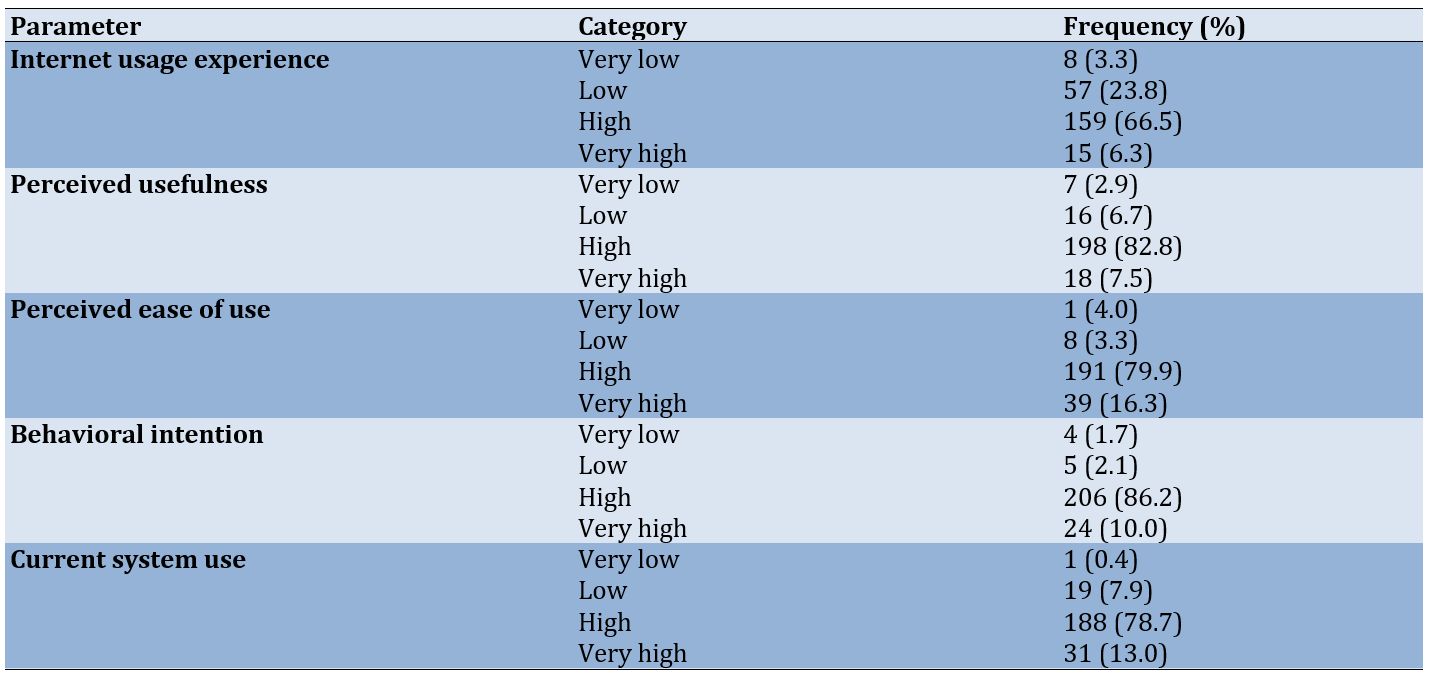
Most workers had significant experience using the Internet. In terms of perceived usefulness, the majority of respondents viewed the application as beneficial. For perceived ease of use, most participants found the application easy to operate. Regarding behavioral intention, many respondents expressed a strong intention to continue using the application in the future. Finally, in the actual system use aspect, most respondents reported frequent use of the application, indicating that it was well accepted in practice (Table 2).
Table 2. Application acceptance based on the technology acceptance model (TAM) indicators
Internet usage experience was positively associated with both the perceived usefulness and ease of use of the application. Perceived usefulness and ease of use were also linked to a stronger intention to use the application. Furthermore, users with a higher intention to use the application were more likely to actually use it. Overall, the application was well accepted and effectively adopted by the workers (Table 3).
Table 3. Relationship between the technology acceptance model (TAM) indicators

Respondents’ characteristics positively influenced their experience in using technology. Greater experience enhanced both the perception of the application’s usefulness and its ease of use. However, the perceived usefulness of the application did not strongly affect users’ intention to use it. In contrast, the perception that the application is easy to use significantly increased users’ intention to continue using it. This intention, in turn, had a strong impact on the actual use of the application. Overall, ease of use played a more important role than usefulness in influencing workers’ intention and actual adoption of the Physical Workload Assessment application (Figure 2).
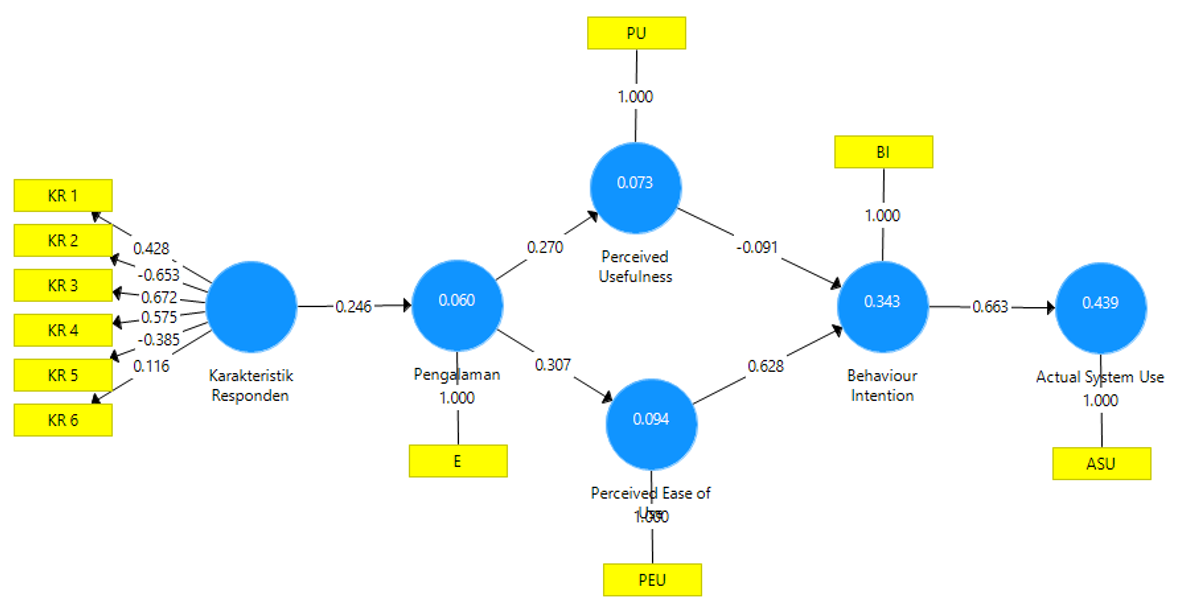
Figure 2. SmartPLS path diagram.
KR 1 (characteristics of respondent 1), KR 2 (characteristics of respondent 2), KR 3 (characteristics of respondent 3), KR 4 (characteristics of respondent 4), KR 5 (characteristics of respondent 5), and KR 6 (characteristics of respondent 6); E (experience); PU (perceived usefulness); PEOU (perceived ease of use); BI (behavioral intention); and ASU (actual system use).
In the loading factor, after re-estimation, all indicators had a value greater than 0.7, indicating validity. The AVE for all data was greater than 0.5, indicating validity. Each indicator had a higher value in its construct than in other constructs, indicating validity. Cronbach’s alpha and composite reliability values were equal to 1.000 (greater than 0.7), indicating high reliability.
User intention had a strong and significant influence on the actual use of the application. User experience also played an important role in shaping how easy and useful the application is perceived to be. The perception that the application is easy to use greatly increased users’ intention to continue using it, making ease of use the main factor affecting user adoption. In contrast, the perceived usefulness of the application did not have a significant impact on users’ intention to use it (Table 4).
Table 4. Path coefficient test

Most of the model fit indicators for the model were usable, although there were some minor limitations regarding the fit indices. The model was valid and reliable based on the outer model testing. Most of the relationships between indicators were significant, except for the relationship from perceived usefulness to behavioral intention. The model generally fitted the data and can be used to explain the influence between constructs in the system under study (Table 5).
Table 5. Goodness of fit model

Discussion
The purpose of this study was to determine whether a web-based screening tool to investigate physical burden is acceptable using the TAM. This cross-sectional survey among manufacturing workers indicated the acceptance of web-based screening used to explore physical workload as assessed through TAMs. This application is particularly useful in manufacturing companies, where immediate treatment or intervention is required when excessive physical workload is detected, helping to prevent work-related health problems and maintain worker productivity. For manufacturing organizations, creating the capacity to produce a wide range of high-quality items in a short amount of time is a major challenge [1]. Manufacturing workers are often exposed to demanding physical activities, repetitive tasks, awkward postures, and long working hours, all of which contribute to physical strain and fatigue [3]. These conditions can lead to musculoskeletal disorders, decreased concentration, and reduced efficiency over time. Furthermore, real-time data collected through such systems can be analyzed to optimize task allocation, improve ergonomic design, and guide workplace interventions. By combining human factors and technological innovation, manufacturing companies can create safer and healthier work environments while maintaining competitiveness in a rapidly evolving industrial sector.
The use of web-based screening is starting to be implemented in occupational health and safety, especially in both developed and developing countries. Other research has found that the occupational disease screening tool and the hazard identification, risk assessment, and risk control technique (HIRARC) are components of the web-based screening tool used in various occupational health and safety programs. The technique for screening for occupational diseases includes self-reports of workers’ profiles, which encompass the complete profile of the disease, workers’ work-related histories, and a variety of symptoms depending on the type of occupational disease [18]. Among the various options, creating a web-based safety platform has grown in importance as a component of safety improvement plans. By facilitating real-time data exchange, enhancing the efficacy of safety training, and monitoring adherence to safety standards, these platform applications promote more proactive approaches to accident prevention [19]. The shift from worker health to citizen health is facilitated by improved occupational health care for workers, especially through the use of digital methods, benefiting employers and society at large [20]. The physical workload data obtained allows us to highlight the most inconvenient and risky actions or subtasks. Furthermore, it is important to focus on key visibility or accessibility issues, as well as the criticality of the application’s final product layout [21]. Another study conducted on mental load measurement applications in managers has identified privacy concerns as a significant barrier to the acceptance of workload monitoring, both in terms of its prevalence among managers and its strong negative relationship with support for monitoring [22].
Numerous apps are currently available to streamline the process of gathering, analyzing, and effectively displaying data in the form of information reports [23]. We conducted a web-based screening to assist in determining health issues. With web-based screening, patients only need to obtain the URL and perform the test on their own [24]. With built-in algorithms and local treatment pathways, digital health is increasingly being integrated into health services worldwide. This integration may help patients and healthcare providers share health information across health systems and enhance decision-making [25]. The widespread use of mobile phones makes it possible to collect, transmit, and analyze data in real time [26].
Assessed application usefulness and ease of use were positively and significantly impacted by prior Internet exposure. While perceived usefulness had no discernible impact on the intention to use the program, perceived ease of use had a large and significant impact on future intention to use the application (Behavioral Intention). Additionally, actual system utilization was positively and significantly impacted by the desire to use the program. According to an employee survey conducted in Yemen, perceived usefulness has a significant influence on current use, while perceived ease of use has a favorable relationship with both current use and perceived usefulness. This finding is consistent with research showing that experience helps create perceived benefits and convenience, which in turn encourages actual system use [27]. According to most traditional TAM research, behavioral intention is typically predicted by perceived usefulness, which is frequently stronger than perceived ease of use. Nevertheless, the findings of this study revealed the reverse. Perceived ease of use has been found to have an indirect impact on behavioral intention through perceived utility and enjoyment in other contexts, such as the metaverse in Jordan [28].
A study by Hendricks et al. applies the TAM to understand the acceptance of digital procedures (such as digital SOPs) in the industrial environment of process safety. Perceived ease of use and perceived usefulness contribute to positive attitudes. This positive attitude is associated with fewer deviations in the implementation of procedures [29].
Research related to the acceptance of virtual reality technology in construction safety training expands TAM with external indicators, such as perceived playfulness, self-efficacy, and perceived price value. This model has proven to be valid in explaining the adoption of virtual reality in safety training. In the context of occupational health and safety (OHS), the integration of pleasure or cost aspects can strengthen TAM’s predictability regarding the adoption of innovative technologies [30]. This study applied TAM with additional indicators: perceived privacy risk and social influence, to understand the adoption of safety wearable devices. While perceived utility and ease of use remain important, social factors and privacy issues are also crucial. When implementing technology that monitors workers, it is important to consider privacy issues and social pressures that may affect hiring [31]. TAM has been widely accepted and used to analyze different kinds of eHealth applications in diverse settings [32].
In further development, telemedicine that connects with medical professionals can be integrated. In underdeveloped nations, telemedicine services are becoming an increasingly popular way to provide quality healthcare [33]. According to the WHO, e-consultation is a secure and affordable method that makes it easier to provide research, education, and healthcare services [34]. It is worthwhile to investigate the time issue, as it takes some time for conclusive evidence to emerge and gain significance [35]. For media acceptance, it appears crucial to provide doctors and patients with individualized input via email and/or printed documents [36]. Given that hospital visits can occur six months apart, an individual report that clearly identifies change priorities could be quite beneficial [37]. Changes were made based on input from end users to increase the tool’s impact, acceptability, and engagement [38].
However, several limitations should be noted, such as the lack of a control group in this study design, which limits the generalizability of the results. Further research with a more robust experimental design and a larger sample size is recommended to more comprehensively evaluate the impact of app use on changes in workload and worker health status.
A web-based screening tool to explore physical workload was well received by workers in the manufacturing sector. This level of acceptance is primarily related to the application’s perceived ease of use and usefulness. Implementing this application allows companies to conduct workload assessments more efficiently and accurately, tailoring them to workers’ caloric needs. Therefore, this application has the potential to become an important tool in supporting obesity control and improving occupational health in a comprehensive industrial environment.
Conclusion
The web-based screening tool to explore physical workload is well-received by workers, as its ease of use significantly influences their interest and future use.
Acknowledgments: Thanks to Universitas Airlangga for supporting this research, as well as to the workers who are willing to contribute by providing input on the application.
Ethical Permissions: Ethical approval was obtained from the Ethics Board Committee of the Faculty of Nursing, Universitas Airlangga, with ethics approval number 2963-KEPK/2023.
Conflicts of Interests: The authors declared no competing interests.
Authors' Contribution: Lutfiya I (First Author), Introduction Writer/Methodologist/Main Researcher/Discussion Writer/Statistical Analyst (40%); Damayanti R (Second Author), Introduction Writer/Methodologist/Assistant Researcher (20%); Prasetya TAE (Third Author), Introduction Writer/Methodologist/Assistant Researcher/Statistical Analyst (20%); Rahmawati NA (Fourth Author), Introduction Writer/Assistant Researcher/Discussion Writer (10%), Ibad M (Fifth Author), Introduction Writer/Assistant Researcher/Discussion Writer (10%)
Funding/Support: This research received a specific grant from Universitas Airlangga (Grant number: 1922/UN3.1.14/PT/2023).
Manufacturing companies are characterized as businesses that produce items using a variety of processes, allowing for direct observation of actual production, machinery, and capacities at their operational speed. For manufacturing organizations, creating the capacity to produce and manufacture a wide range of high-quality items in a short amount of time is a major challenge [1]. Because of this situation, workers in industrial environments, especially in manufacturing companies, are particularly susceptible to high physical and mental workloads, which compromise employee productivity and well-being [2]. Physical workload is the quantifiable amount of physical resources used to carry out a specific task (e.g., repetitive work, physical stress, manual lifting, and carrying) [3].
Physical workload is a crucial issue in manufacturing companies. Studies conducted in the car-parts manufacturing industry show high physical workloads that lead to work-related musculoskeletal disorders (WRMSDs) [4]. A study of 239 manufacturing workers at a company in Indonesia found that 17.1% of workers experienced heavy and very heavy physical workloads [5]. A cross-sectional, correlational study was conducted in 2023 among 100 workers selected from a population of 134. High workloads were identified in 85% of the workers, with both physical and mental workload dimensions reaching high levels in the same proportion [2].
Despite being less significant than mental effort, physical workload also shows a negative relationship with work function [6]. When the physical demands of a task exceed an individual’s capacity, it can lead to a range of negative outcomes, such as musculoskeletal injuries and cardiovascular issues. Excessive physical workload can also result in burnout, lower job satisfaction, increased workplace complaints, higher rates of absenteeism, reduced mental focus, and a greater risk of mistakes or accidents [3]. An individual facing an excessive workload is likely to become physically overstrained, experience fatigue, and lack the necessary energy to carry out their responsibilities effectively [7]. A workload that is disproportionate to body weight may lead to health issues. Both obesity and heavy physical exertion are associated with decreased work capacity, and their combined detrimental effects outweigh those of either condition alone [8]. A heavy physical workload and obesity are risk factors for disability benefits. Additionally, these factors work together to increase the likelihood of absences from the workforce related to musculoskeletal disorder (MSD)-related disability benefits [9].
Evaluating physical workload is a critical first step in determining whether it is excessive and in implementing appropriate measures to manage or reduce it [3]. To effectively understand workers’ needs and encourage safe behavior, it is essential to consider the workload they are required to manage. Addressing workload demands is a crucial step in creating a safer and more supportive work environment [10]. Current workload assessments are often suboptimal due to limited tools and methods that are difficult to access and complex manual calculation processes. In workload measurement research and practice, various methods have been developed to assess the physical and mental aspects of work. The most widely used methods are NASA-TLX, SWAT, and physiological methods, such as heart rate (ECG) or brain activity (EEG) measurements. NASA-TLX offers a multidimensional assessment of mental, physical, and temporal work stress using a weighted score that provides a detailed picture of workload levels. However, this method is time-consuming and subjective. In contrast, the SWAT method uses a simpler interval scale that is easily applicable across contexts, although it measures a more limited set of dimensions. The Bedford method, which employs a verbal scale, is also often used for rapid assessment, but scale interpretation can be challenging. Meanwhile, physiological methods provide objective, real-time data on workload but require specialized equipment and can be disruptive to workers’ activities [11]. Comparative literature emphasizes that no single method is perfect for all situations. The choice of method depends on the measurement objectives, the work context, the complexity of the task, and the available resources [12, 13]. The Indonesian government has issued regulations in the form of SNI 7269:2009, which governs workload assessment procedures based on calorie needs and worker energy expenditure. Unfortunately, this manual method is ineffective in the field due to its significant time and labor requirements.
These days, Internet access has permeated many facets of our lives, including politics, social interaction, education, healthcare, the economy, and culture. The internet is a major tool for exchanging information and acts as a bridge and medium for effective communication across time and location boundaries. The number of internet users in Indonesia increased steadily from 171.17 million in 2018 and 144.17 million in 2017 to 184.97 million in 2019, according to Indonesia Investment [14]. With the increasing number of internet users, measuring physical workload using the internet has become more accessible. Various health education media now utilize the internet because it offers real-time information and is easy to use [15].
This research proposed a web-based screening tool to explore physical workload. The literature on technology adoption examines how individuals’ perceptions influence their intentions to use technology and their actual usage behavior [16]. The technology acceptance model (TAM), first proposed in 1986, describes how people can accept and use technology. The concept posits that two key factors—perceived utility and perceived ease of use—significantly impact people’s attitudes, which are defined as their favorable or unfavorable perceptions regarding the adoption of a system. Additionally, according to TAM, perceived usefulness can be directly influenced by perceived ease of use. Furthermore, a person’s attitude toward the system and their perception of its value both influence their behavioral intention to utilize it. The actual use of the system, also known as system usage, is then predicted based on these behavioral intentions [17].
Given this context, the purpose of this study was to determine whether a web-based screening tool to investigate physical burden is acceptable using the TAM. Thus, this research makes an important contribution both in terms of worker health and the development of technologies that support effective workload management and obesity prevention in the workplace.
Instrument and Methods
Design and participants
This experimental research using a one-shot case study design was conducted on 239 employees at a single institution, a manufacturing company in East Java, Indonesia, from August 2023 to March 2024.
A basic random sampling technique was used to select the respondents from among the 504 employees in total. This sampling strategy was developed to ensure that the chosen sample would be representative of the total population, enabling the generalization of the study’s conclusions. The inclusion criteria were active workers in the manufacturing sector who had worked for at least 6 months, had basic skills in using digital devices, such as computers or smartphones, and were willing to follow all research procedures, including using the application and completing the questionnaire. Workers who were on leave, on long-term leave, or not actively working during the research period, as well as those who had physical or cognitive impairments that could affect their participation in using the application, were unwilling to provide consent as research participants, had a history of special technology training that could cause bias in their perception of the application, or had previously been involved in trials of similar applications were not included.
The sample size was determined using the simple random sampling method with Sample Size 2.0 software. The calculation was based on a confidence level of 95%, an anticipated population proportion (P) of 0.5, a margin of error (d) of 0.05, and a total population size (N) of 504. These values were entered into the below formula:
Where n represents the required sample size, Z is the standard normal deviate corresponding to the desired confidence level (1.96 for 95%), P is the estimated proportion of the population with the characteristic of interest, d is the absolute precision, and N is the total population size. Thus, the required minimum sample size was 219 respondents. This number ensures that the study results achieve a 95% confidence level with an acceptable margin of error of ±5%.
A web-based Physical Workload Assessment Application written in the Indonesian language was utilized. This application can be accessed online at https://www.siskerja.com and is specifically designed to calculate the physical workload of workers based on anthropometric parameters and daily work activities (Figure 1). The application is a digital tool designed to streamline the workload evaluation process in industrial environments. Users of the application are asked to fill in some basic information, such as the worker’s name, gender, weight, work unit, company name, worker ID, and email address. Workload data is measured by parameters, namely the type of work (hand movement). Users are asked to select the type of hand movement used in their work. There are four options available: using both hands, using one hand, or using hand movements with two arms. In addition, the name of the job and the duration of work in minutes must be manually entered. Next, users are directed to fill in the activity category based on the type of work. This category has been adjusted to conform to the physical activity classification standards from the ergonomics and occupational health literature. Additionally, data on body positions while working, such as sitting, standing, walking, or climbing, is collected. After all activities are input, the application will calculate the average workload per hour based on the duration, category, and weight of the activity, as well as the worker’s body weight, providing the final result in the form of total energy consumption (kcal/hour). It classifies the workload into categories of light, moderate, heavy, or very heavy and provides health advice based on these results. The formula used in the application refers to the metabolic equivalent task (MET) approach, which assesses energy consumption based on the intensity of physical activity.
Figure 1. Website page of the application (https://siskerja.com/beban_kerja/index).
Data colection
The Institutional Review Board Committee of the Faculty of Nursing, Universitas Airlangga, reviewed and approved the study protocol and informed consent form with number 2963-KEPK/2023. Every participant in this study provided their informed consent voluntarily. All participants agreed to participate in this study.
Demographic data collected included gender, education level, smoking status, and exercise habits. Respondents’ physical workload was categorized into four levels based on the energy required during work activities: light, moderate, heavy, and very heavy. Respondents’ nutritional status was also analyzed based on the categories of underweight, normal, and overweight or obese. The TAM served as the theoretical foundation for this study’s assessment of employees’ adoption of technology. Perceived usefulness (PU), or the degree to which an individual believes that utilizing an application will enhance their performance, is one of the primary factors in this model. The degree of perceived ease of use of the application is known as perceived ease of use (PEOU), the user’s intention to continue using the application is referred to as behavioral intention (BI), and actual system use (ASU) measures how much respondents actually utilize the applications.
Instrument
We employed a self-administered questionnaire to gather data. The questionnaire was created through documentation analysis, in-person interviews, and a review of pertinent literature. Additionally, a pilot test was conducted using the web-based Physical Workload Assessment Application with a small group of workers. The application’s usability and functionality were evaluated during this pilot test to identify issues and gather user feedback. The trial application usage time was approximately 15 minutes, which was considered efficient and acceptable by the participants. Based on the evaluation results, necessary revisions were made to both the questionnaire and the application to improve clarity, user experience, and accuracy before the main data collection phase. This iterative process helped ensure that the instruments were both reliable and user-friendly, thereby enhancing the quality of the data collected in the study.
Analysis
To test the relationships between constructs in the TAM model, path analysis was conducted using SmartPLS software version 3.28. Model evaluation included testing the outer model (construct validity and reliability) and the inner model (model fit test). The Chi-square statistic, normed fit index (NFI), and standardized root mean square residual (SRMR) were among the model fit criteria employed. To further ensure the validity and reliability of the measurement tool, composite reliability values, average variance extracted (AVE), and Cronbach’s alpha were also examined.
Findings
Among the 239 workers who responded, more than half were female and had completed senior high school. Most participants reported that they did not smoke. Regarding exercise habits, a large proportion of the respondents indicated that they rarely or never engaged in physical activity. In terms of physical workload, the majority performed light tasks. Based on their nutritional status, more than half of the employees were categorized as overweight or obese (Table 1).
Table 1. Participants’ characteristics
Most workers had significant experience using the Internet. In terms of perceived usefulness, the majority of respondents viewed the application as beneficial. For perceived ease of use, most participants found the application easy to operate. Regarding behavioral intention, many respondents expressed a strong intention to continue using the application in the future. Finally, in the actual system use aspect, most respondents reported frequent use of the application, indicating that it was well accepted in practice (Table 2).
Table 2. Application acceptance based on the technology acceptance model (TAM) indicators
Internet usage experience was positively associated with both the perceived usefulness and ease of use of the application. Perceived usefulness and ease of use were also linked to a stronger intention to use the application. Furthermore, users with a higher intention to use the application were more likely to actually use it. Overall, the application was well accepted and effectively adopted by the workers (Table 3).
Table 3. Relationship between the technology acceptance model (TAM) indicators
Respondents’ characteristics positively influenced their experience in using technology. Greater experience enhanced both the perception of the application’s usefulness and its ease of use. However, the perceived usefulness of the application did not strongly affect users’ intention to use it. In contrast, the perception that the application is easy to use significantly increased users’ intention to continue using it. This intention, in turn, had a strong impact on the actual use of the application. Overall, ease of use played a more important role than usefulness in influencing workers’ intention and actual adoption of the Physical Workload Assessment application (Figure 2).
Figure 2. SmartPLS path diagram.
KR 1 (characteristics of respondent 1), KR 2 (characteristics of respondent 2), KR 3 (characteristics of respondent 3), KR 4 (characteristics of respondent 4), KR 5 (characteristics of respondent 5), and KR 6 (characteristics of respondent 6); E (experience); PU (perceived usefulness); PEOU (perceived ease of use); BI (behavioral intention); and ASU (actual system use).
In the loading factor, after re-estimation, all indicators had a value greater than 0.7, indicating validity. The AVE for all data was greater than 0.5, indicating validity. Each indicator had a higher value in its construct than in other constructs, indicating validity. Cronbach’s alpha and composite reliability values were equal to 1.000 (greater than 0.7), indicating high reliability.
User intention had a strong and significant influence on the actual use of the application. User experience also played an important role in shaping how easy and useful the application is perceived to be. The perception that the application is easy to use greatly increased users’ intention to continue using it, making ease of use the main factor affecting user adoption. In contrast, the perceived usefulness of the application did not have a significant impact on users’ intention to use it (Table 4).
Table 4. Path coefficient test
Most of the model fit indicators for the model were usable, although there were some minor limitations regarding the fit indices. The model was valid and reliable based on the outer model testing. Most of the relationships between indicators were significant, except for the relationship from perceived usefulness to behavioral intention. The model generally fitted the data and can be used to explain the influence between constructs in the system under study (Table 5).
Table 5. Goodness of fit model
Discussion
The purpose of this study was to determine whether a web-based screening tool to investigate physical burden is acceptable using the TAM. This cross-sectional survey among manufacturing workers indicated the acceptance of web-based screening used to explore physical workload as assessed through TAMs. This application is particularly useful in manufacturing companies, where immediate treatment or intervention is required when excessive physical workload is detected, helping to prevent work-related health problems and maintain worker productivity. For manufacturing organizations, creating the capacity to produce a wide range of high-quality items in a short amount of time is a major challenge [1]. Manufacturing workers are often exposed to demanding physical activities, repetitive tasks, awkward postures, and long working hours, all of which contribute to physical strain and fatigue [3]. These conditions can lead to musculoskeletal disorders, decreased concentration, and reduced efficiency over time. Furthermore, real-time data collected through such systems can be analyzed to optimize task allocation, improve ergonomic design, and guide workplace interventions. By combining human factors and technological innovation, manufacturing companies can create safer and healthier work environments while maintaining competitiveness in a rapidly evolving industrial sector.
The use of web-based screening is starting to be implemented in occupational health and safety, especially in both developed and developing countries. Other research has found that the occupational disease screening tool and the hazard identification, risk assessment, and risk control technique (HIRARC) are components of the web-based screening tool used in various occupational health and safety programs. The technique for screening for occupational diseases includes self-reports of workers’ profiles, which encompass the complete profile of the disease, workers’ work-related histories, and a variety of symptoms depending on the type of occupational disease [18]. Among the various options, creating a web-based safety platform has grown in importance as a component of safety improvement plans. By facilitating real-time data exchange, enhancing the efficacy of safety training, and monitoring adherence to safety standards, these platform applications promote more proactive approaches to accident prevention [19]. The shift from worker health to citizen health is facilitated by improved occupational health care for workers, especially through the use of digital methods, benefiting employers and society at large [20]. The physical workload data obtained allows us to highlight the most inconvenient and risky actions or subtasks. Furthermore, it is important to focus on key visibility or accessibility issues, as well as the criticality of the application’s final product layout [21]. Another study conducted on mental load measurement applications in managers has identified privacy concerns as a significant barrier to the acceptance of workload monitoring, both in terms of its prevalence among managers and its strong negative relationship with support for monitoring [22].
Numerous apps are currently available to streamline the process of gathering, analyzing, and effectively displaying data in the form of information reports [23]. We conducted a web-based screening to assist in determining health issues. With web-based screening, patients only need to obtain the URL and perform the test on their own [24]. With built-in algorithms and local treatment pathways, digital health is increasingly being integrated into health services worldwide. This integration may help patients and healthcare providers share health information across health systems and enhance decision-making [25]. The widespread use of mobile phones makes it possible to collect, transmit, and analyze data in real time [26].
Assessed application usefulness and ease of use were positively and significantly impacted by prior Internet exposure. While perceived usefulness had no discernible impact on the intention to use the program, perceived ease of use had a large and significant impact on future intention to use the application (Behavioral Intention). Additionally, actual system utilization was positively and significantly impacted by the desire to use the program. According to an employee survey conducted in Yemen, perceived usefulness has a significant influence on current use, while perceived ease of use has a favorable relationship with both current use and perceived usefulness. This finding is consistent with research showing that experience helps create perceived benefits and convenience, which in turn encourages actual system use [27]. According to most traditional TAM research, behavioral intention is typically predicted by perceived usefulness, which is frequently stronger than perceived ease of use. Nevertheless, the findings of this study revealed the reverse. Perceived ease of use has been found to have an indirect impact on behavioral intention through perceived utility and enjoyment in other contexts, such as the metaverse in Jordan [28].
A study by Hendricks et al. applies the TAM to understand the acceptance of digital procedures (such as digital SOPs) in the industrial environment of process safety. Perceived ease of use and perceived usefulness contribute to positive attitudes. This positive attitude is associated with fewer deviations in the implementation of procedures [29].
Research related to the acceptance of virtual reality technology in construction safety training expands TAM with external indicators, such as perceived playfulness, self-efficacy, and perceived price value. This model has proven to be valid in explaining the adoption of virtual reality in safety training. In the context of occupational health and safety (OHS), the integration of pleasure or cost aspects can strengthen TAM’s predictability regarding the adoption of innovative technologies [30]. This study applied TAM with additional indicators: perceived privacy risk and social influence, to understand the adoption of safety wearable devices. While perceived utility and ease of use remain important, social factors and privacy issues are also crucial. When implementing technology that monitors workers, it is important to consider privacy issues and social pressures that may affect hiring [31]. TAM has been widely accepted and used to analyze different kinds of eHealth applications in diverse settings [32].
In further development, telemedicine that connects with medical professionals can be integrated. In underdeveloped nations, telemedicine services are becoming an increasingly popular way to provide quality healthcare [33]. According to the WHO, e-consultation is a secure and affordable method that makes it easier to provide research, education, and healthcare services [34]. It is worthwhile to investigate the time issue, as it takes some time for conclusive evidence to emerge and gain significance [35]. For media acceptance, it appears crucial to provide doctors and patients with individualized input via email and/or printed documents [36]. Given that hospital visits can occur six months apart, an individual report that clearly identifies change priorities could be quite beneficial [37]. Changes were made based on input from end users to increase the tool’s impact, acceptability, and engagement [38].
However, several limitations should be noted, such as the lack of a control group in this study design, which limits the generalizability of the results. Further research with a more robust experimental design and a larger sample size is recommended to more comprehensively evaluate the impact of app use on changes in workload and worker health status.
A web-based screening tool to explore physical workload was well received by workers in the manufacturing sector. This level of acceptance is primarily related to the application’s perceived ease of use and usefulness. Implementing this application allows companies to conduct workload assessments more efficiently and accurately, tailoring them to workers’ caloric needs. Therefore, this application has the potential to become an important tool in supporting obesity control and improving occupational health in a comprehensive industrial environment.
Conclusion
The web-based screening tool to explore physical workload is well-received by workers, as its ease of use significantly influences their interest and future use.
Acknowledgments: Thanks to Universitas Airlangga for supporting this research, as well as to the workers who are willing to contribute by providing input on the application.
Ethical Permissions: Ethical approval was obtained from the Ethics Board Committee of the Faculty of Nursing, Universitas Airlangga, with ethics approval number 2963-KEPK/2023.
Conflicts of Interests: The authors declared no competing interests.
Authors' Contribution: Lutfiya I (First Author), Introduction Writer/Methodologist/Main Researcher/Discussion Writer/Statistical Analyst (40%); Damayanti R (Second Author), Introduction Writer/Methodologist/Assistant Researcher (20%); Prasetya TAE (Third Author), Introduction Writer/Methodologist/Assistant Researcher/Statistical Analyst (20%); Rahmawati NA (Fourth Author), Introduction Writer/Assistant Researcher/Discussion Writer (10%), Ibad M (Fifth Author), Introduction Writer/Assistant Researcher/Discussion Writer (10%)
Funding/Support: This research received a specific grant from Universitas Airlangga (Grant number: 1922/UN3.1.14/PT/2023).
| Rights and permissions | |
 |
This work is licensed under a Creative Commons Attribution-NonCommercial 4.0 International License. |